
The Animals of Crete: Wildlife on the Island
Crete’s landscapes feel vast and untouched — mountains rising above the Libyan Sea, deep gorges cutting through the rock, and quiet olive groves stretching across the hills.
Wildlife here is not always obvious. There are no large forests filled with animals, and encounters are often subtle.
But if you pay attention, the island reveals a surprisingly rich natural world.
From birds of prey circling high above the mountains to tiny geckos appearing on warm stone walls at dusk, Crete is home to many creatures that quietly share the landscape.
The Kri-Kri – Crete’s Wild Goat
The most famous animal of Crete is the kri-kri, the Cretan wild goat.
Once close to extinction, it now survives in protected mountain areas such as the White Mountains and Samaria Gorge.
If you are very lucky, you might occasionally spot one on a rocky cliff — a brief silhouette against the sky before it disappears into the mountains.
The kri-kri has become a symbol of Crete’s rugged independence and resilience.
Birds of Prey Above the Gorges
The skies above southern Crete are often filled with birds riding the warm air rising from the cliffs.
Common species include:
• Griffon vultures, often seen gliding in groups
• Golden eagles and Bonelli’s eagles
• Eleonora’s falcons, which nest on coastal cliffs
• Kestrels, hovering over fields and hillsides
Places like Kourtaliotiko Gorge, the Asterousia Mountains, or the cliffs around Triopetra are particularly good spots to look up and watch the sky.
Some of the best places to observe birds are Crete’s gorges and mountain trails. Our guide to hiking in South Crete highlights several of the most beautiful routes.
Small Creatures You May Encounter
Much of Crete’s wildlife is easy to miss at first glance.
Look closely and you may notice:
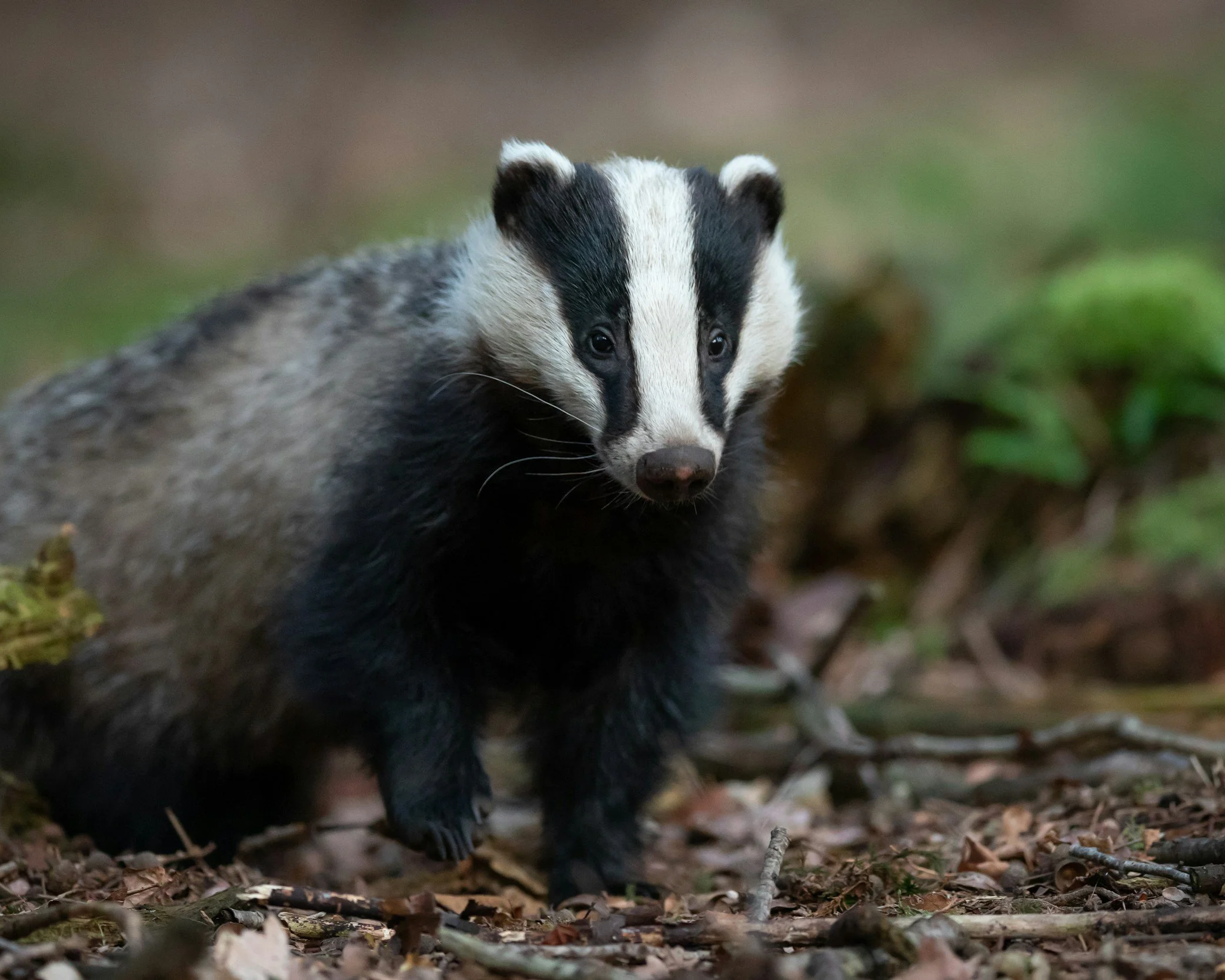
• Badgers (Arkalos), large nocturnal mammals living in underground tunnels and sometimes seen crossing rural roads at night
• Geckos climbing whitewashed village walls
• Lizards warming themselves on sunlit stones
• Tree frogs near springs and streams
• Hedgehogs moving quietly through gardens at night
• Wild rabbits, often seen in fields and olive groves
• Stone martens, shy nocturnal mammals living in rural landscapes
These small animals are an everyday part of life on the island.
Life in the Sea
The waters of the Libyan Sea are clear, warm, and surprisingly full of life. Even a simple swim or a mask and snorkel can reveal a small underwater world.
Among the rocks and sea grass you may encounter:
• Sea bream, often swimming close to reefs and rocky shorelines
• Mediterranean damselfish, small dark fish that move in curious groups
• Wrasse, colourful fish weaving between stones and algae
• Saddled seabream, easily recognised by the dark band near the tail
Occasionally, larger fish pass through deeper waters:
• Barracudas, sometimes seen in loose schools offshore
• Tuna, powerful migratory fish travelling through the Mediterranean
And like much of the Mediterranean today, the sea around Crete is slowly changing. Warmer waters have allowed several non-native species from the Red Sea to spread into the region — a phenomenon scientists often connect to climate change and the opening of the Suez Canal.
Some of these newcomers, such as lionfish, have already been spotted in parts of the eastern Mediterranean.
Despite these changes, the coastal waters of southern Crete remain remarkably clear and healthy. Around rocky beaches like Triopetra, Agios Pavlos or Ligres, snorkeling often reveals far more life than visitors expect.
Occasional sightings include:
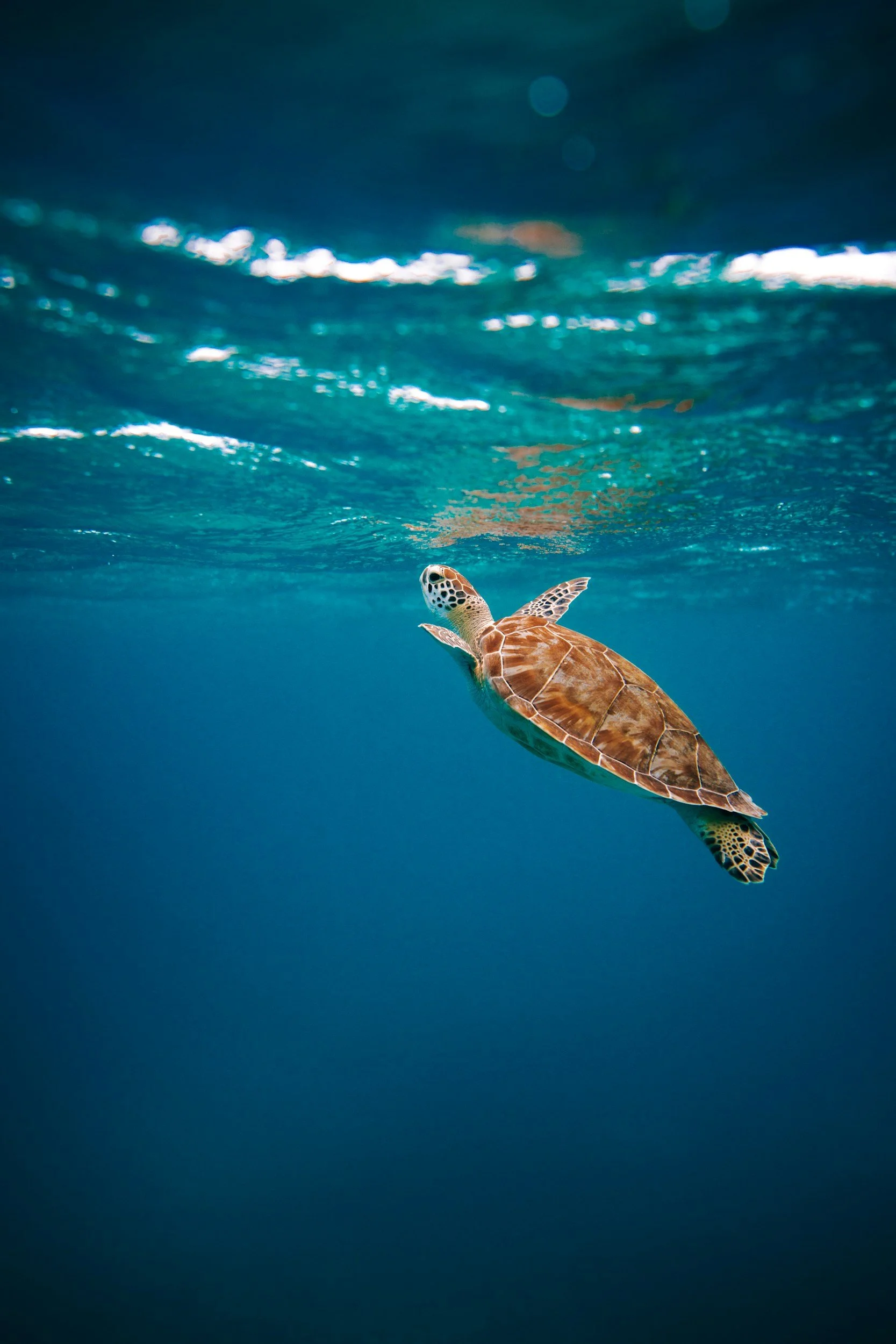
• Loggerhead sea turtles (Caretta caretta) nesting on sandy beaches such as Kommos, where they are cared for by the Greek animal protection organization Archelon.
• Dolphins travelling along the Libyan Sea
• Mediterranean monk seals, rarely seen along remote coastlines
The longer you float quietly in the water, the more the sea begins to reveal.The waters surrounding Crete are home to their own wildlife.
Goats and Sheep in the Cretan Landscape
The sound of goat bells drifting across the hills at sunset is one of the quiet signatures of the Cretan landscape. No animals are more visible on Crete than goats and sheep.
Across the hills, mountains and coastal plateaus of South Crete you will often see small flocks grazing among rocks and olive groves. Shepherding has been part of the island’s culture for thousands of years, and many families still raise animals in the traditional way.
Visitors quickly become familiar with the sound of bells hanging from the animals’ necks, echoing through the hillsides.
These flocks are an essential part of the island’s rural life and provide the milk used for many traditional cheeses, including graviera and myzithra.
You may encounter goats and sheep anywhere — from quiet beaches to dramatic gorges. If you are planning a trip, our guide on where to stay in South Crete explores the different villages and regions along the coast.
Cats and Dogs on the Island
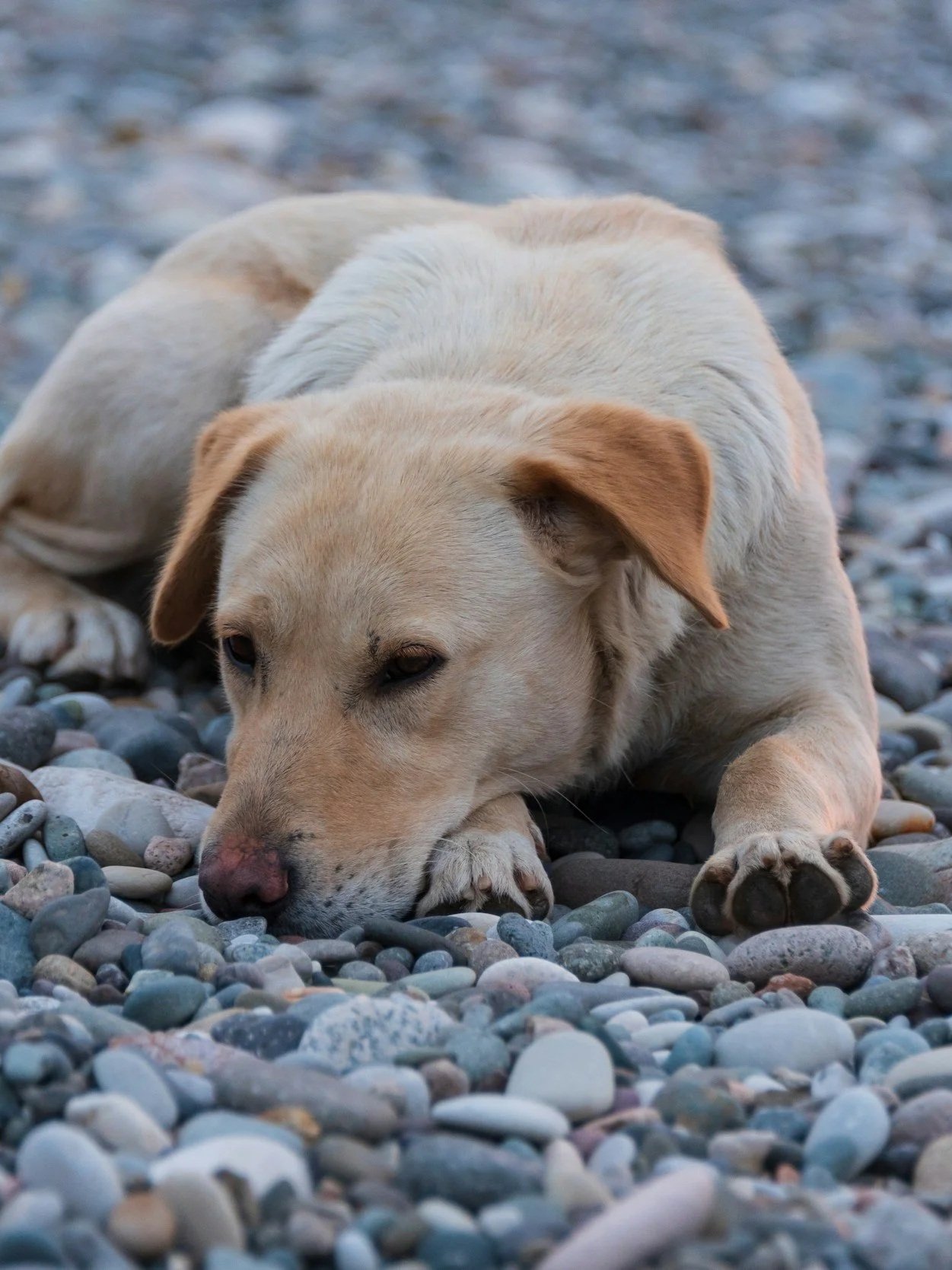
One group of animals visitors notice quickly are Crete’s stray cats and dogs.
Cats are especially common in villages, tavernas and fishing harbours. Many are semi-domesticated and cared for by locals who leave food and water for them.
Stray dogs are less common, but they do exist in some rural areas.
In recent years, local volunteers and animal welfare groups have worked hard to improve the situation through sterilisation programs, veterinary care and adoption initiatives.
Visitors often find themselves sharing a quiet moment with a friendly harbour cat or a dog resting in the shade of an olive tree.
A Quiet Natural World
Crete’s wildlife rarely demands attention. Instead, it reveals itself slowly.
A vulture drifting across the sky.
A gecko appearing on a warm wall at dusk.
A goat standing high on a distant ridge.
A village dog barking at night.
Like much of life in southern Crete, the island’s nature rewards patience.
The more time you spend outdoors — walking through gorges, sitting by the sea, or exploring quiet villages — the more you begin to notice the living world around you.
Many of our homes are located close to these landscapes, where wildlife, sea and mountain scenery come together. You can explore the available villas in our STAYS Home Collection.
