
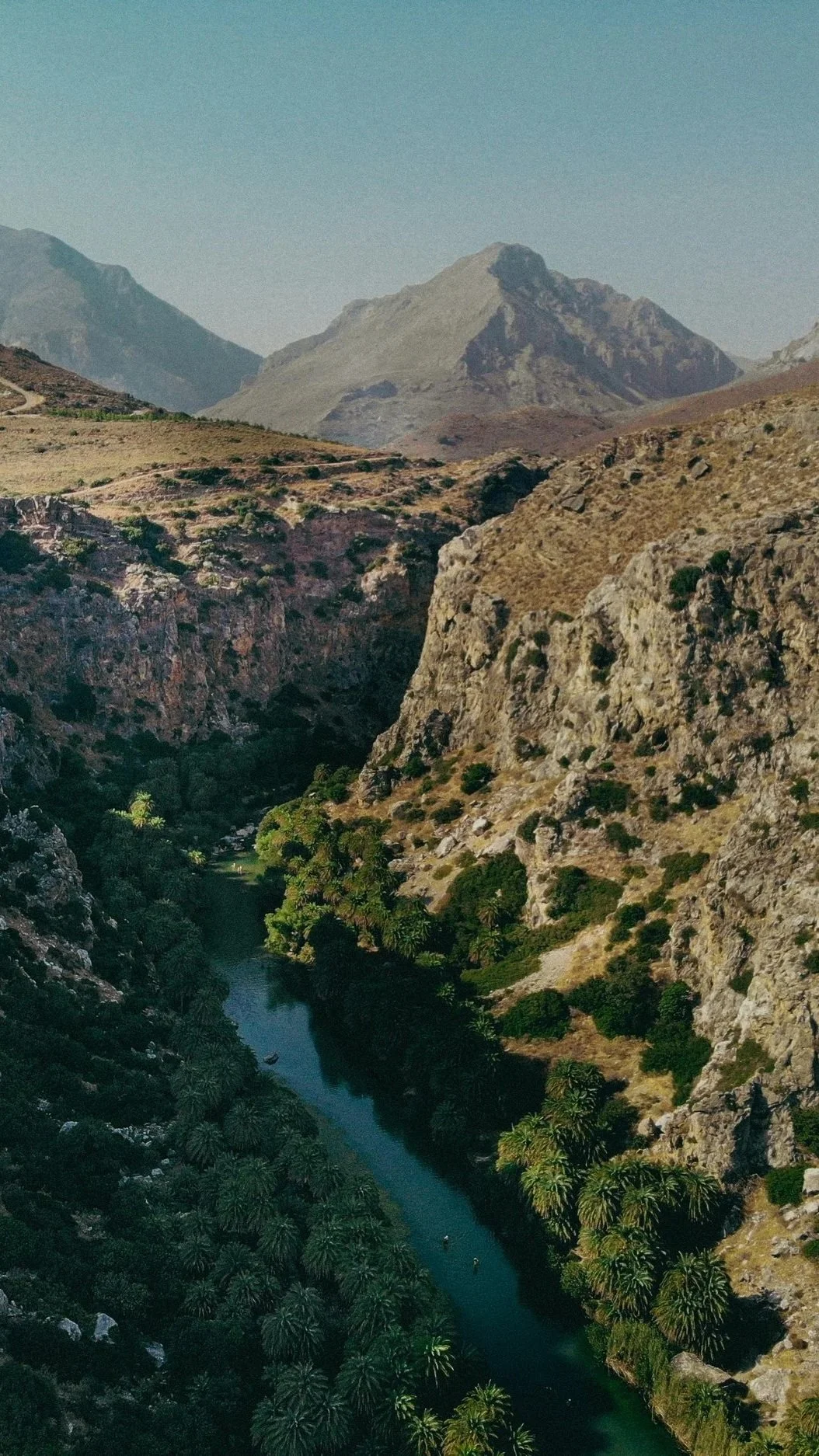
South Crete is one of the last regions of the Mediterranean where traditional village life, wild landscapes, and quiet beaches still shape the rhythm of everyday life.
Unlike the busier northern coast of Crete, the southern side of the island faces the Libyan Sea and offers a different kind of holiday — slower, more authentic, and deeply connected to nature.
If you’re planning a trip, our STAYS Journal helps you discover where to stay in South Crete, what you should know before embarking on your villa holidays and which region of Crete is best for your travel style. Once you are ready to book, explore our collection of vacation homes in South Crete.
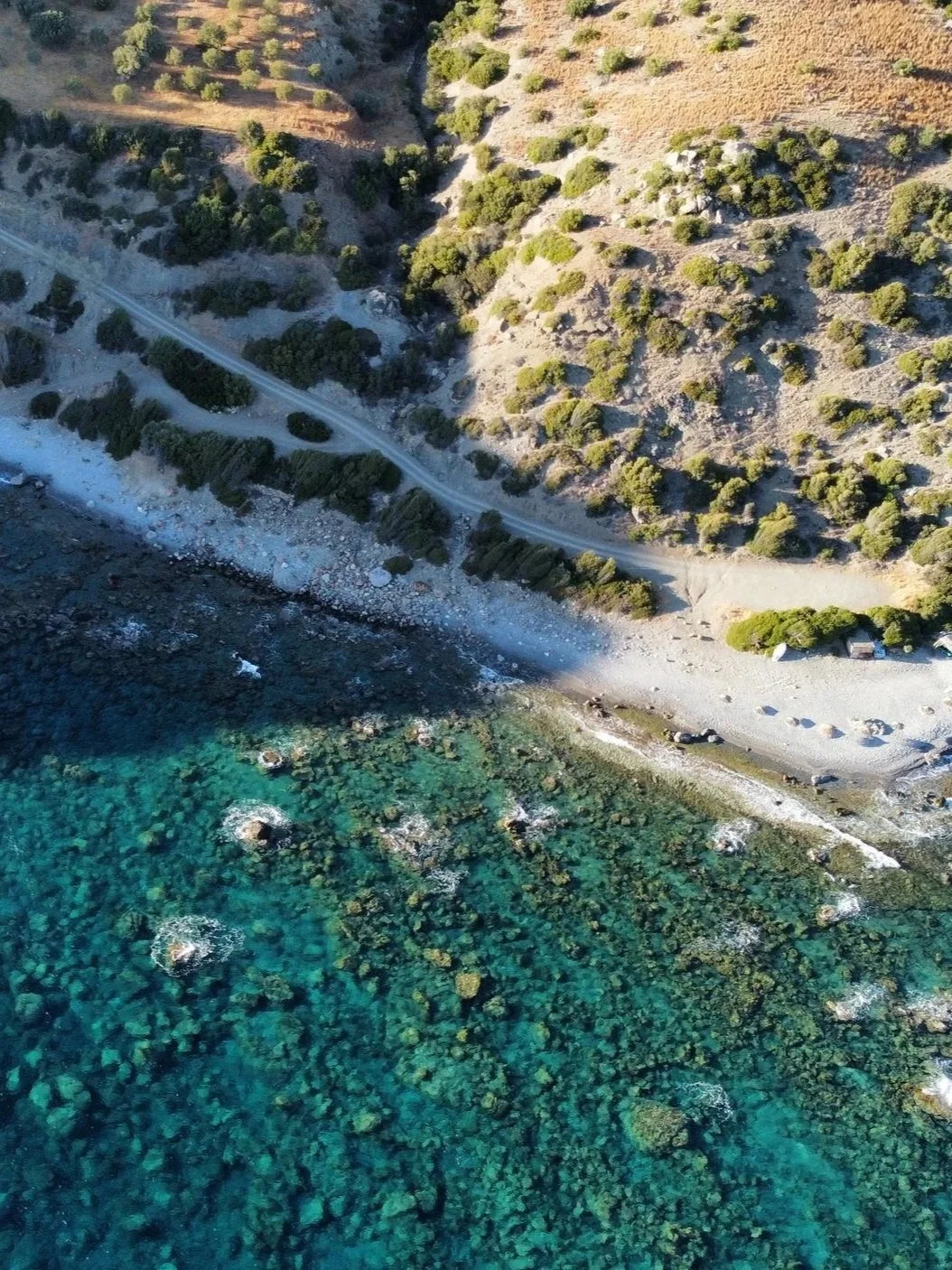
Through the STAYS Journal, we share our local knowledge about South Crete, the region we call home: its beaches, villages, hiking trails, food, culture, traditions, and hidden corners.
Below is a curated selection of guides from the STAYS Journal. Use the search option or browse through all articles below. And be sure to check back: we add new stories frequently.
The STAYS Guide to South Crete: Beaches, Villages & Travel Tips
Plan Your Trip to Crete
• Where to Stay in South Crete
• Best Beaches in South Crete
• Romantic Things to Do
• Is South Crete Windy?
• A Week in South Crete
Discover Local Culture
• Raki in Crete
• Cretan Wine Revival
• Local Customs in Crete
• Festivals in Crete
• Carnival in Rethymno
Safety & Travel Advice
• Is South Crete Safe?
• Solo Travel in Crete
• Is Crete Safe during the Iran War?
• Swimming in Crete
• Safe Hiking in South Crete
Looking for a specific topic, search for the keyword:

Why Our Properties Are No Longer Available on Booking.com
There are things you learn about a company when something goes wrong. During the South Crete wildfire of July 2026, we needed to cancel guest bookings quickly and fairly. Booking.com spent two hours sending contradictory emails and going nowhere. Airbnb resolved the same situation in a single call. This is what happened, why we closed our entire Booking.com account, and why booking directly with us is simpler, often cheaper, and fundamentally different when it matters most.
The South Crete Wildfire: What Happened, What It Means for Your Visit
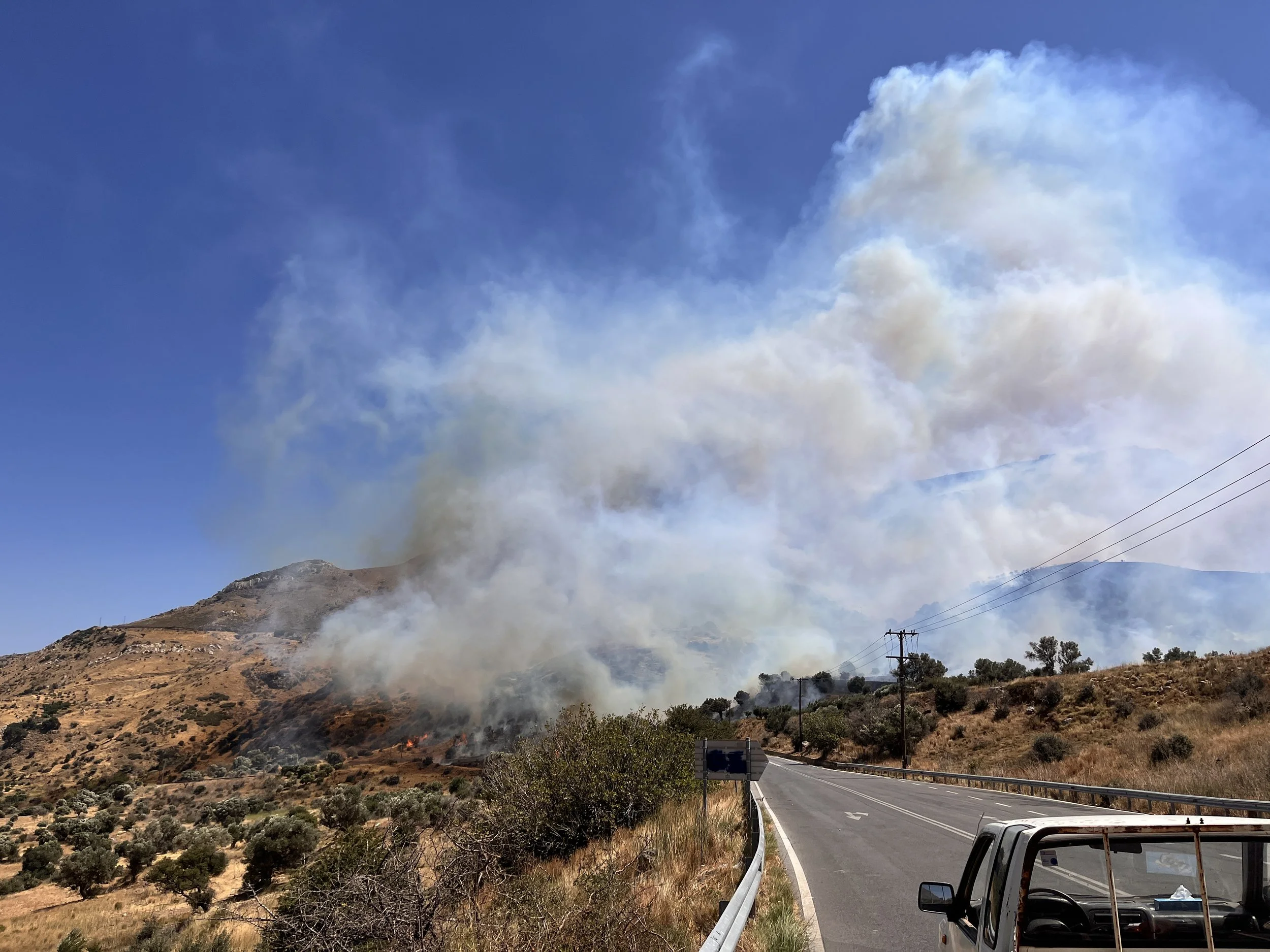
On 29 July 2026, a wildfire ignited near Krya Vrysi in southern Rethymno and spread rapidly toward the coast. Around 8,000 people were evacuated. Parts of the landscape around Agios Pavlos, Triopetra and the hills behind Agia Galini are significantly changed. Agia Galini itself was not burned and has reopened. This is what happened, which STAYS properties are affected, and what it means if you are travelling to South Crete this summer or autumn.
Renting a Car in Crete: What Nobody Tells You Before You Arrive
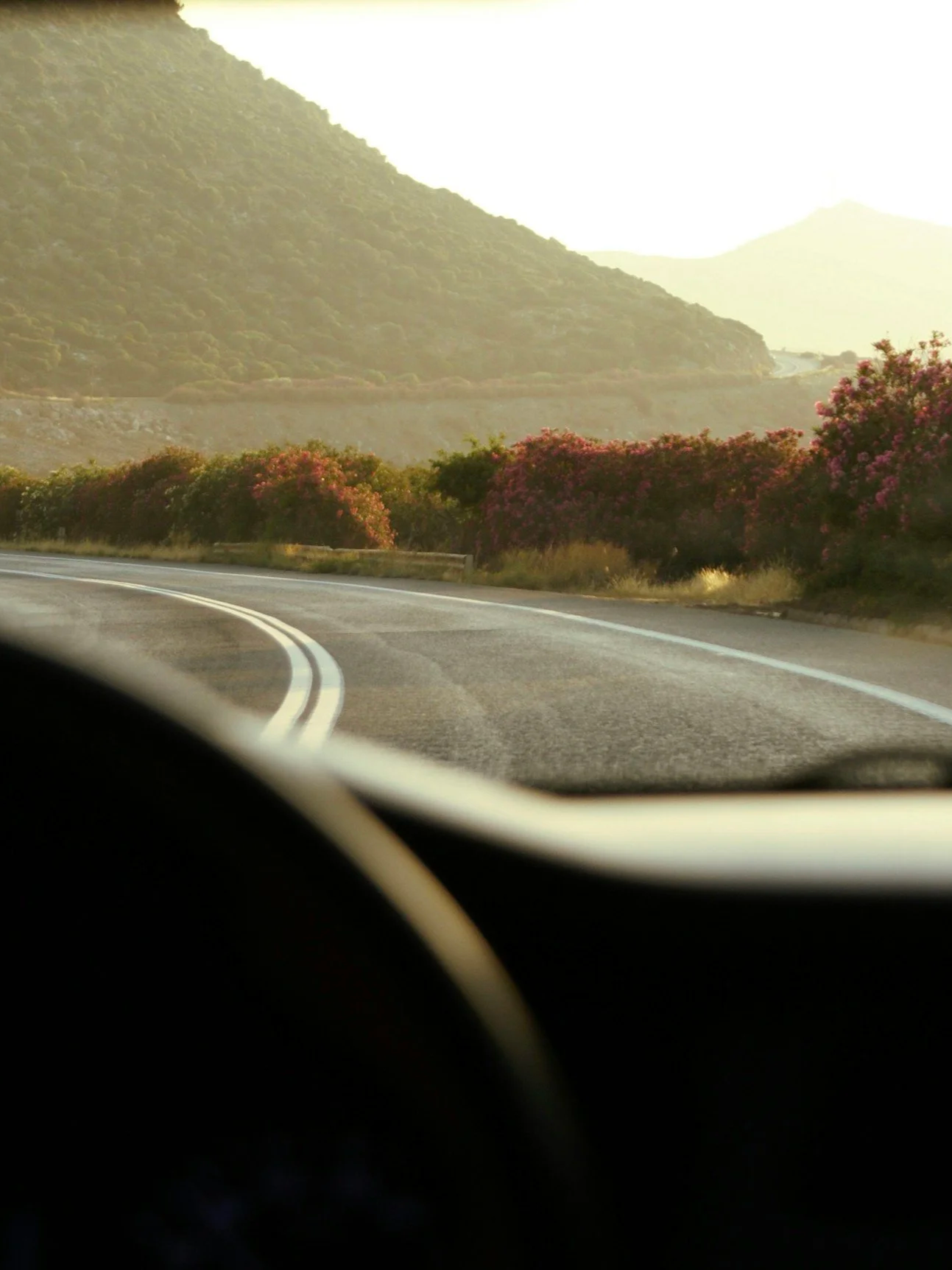
A car is not optional in South Crete. But before you reach the beaches and the mountain roads you came for, you will almost certainly pass through the experience of picking up a rental at a Greek airport — and for many visitors, this is where the holiday first goes wrong. Hidden fees, phantom damage charges, insurance that evaporates at the desk, verbal promises that disappear at drop-off, and GPS systems that remember exactly where you drove. Here is what actually happens, and what to do about it.
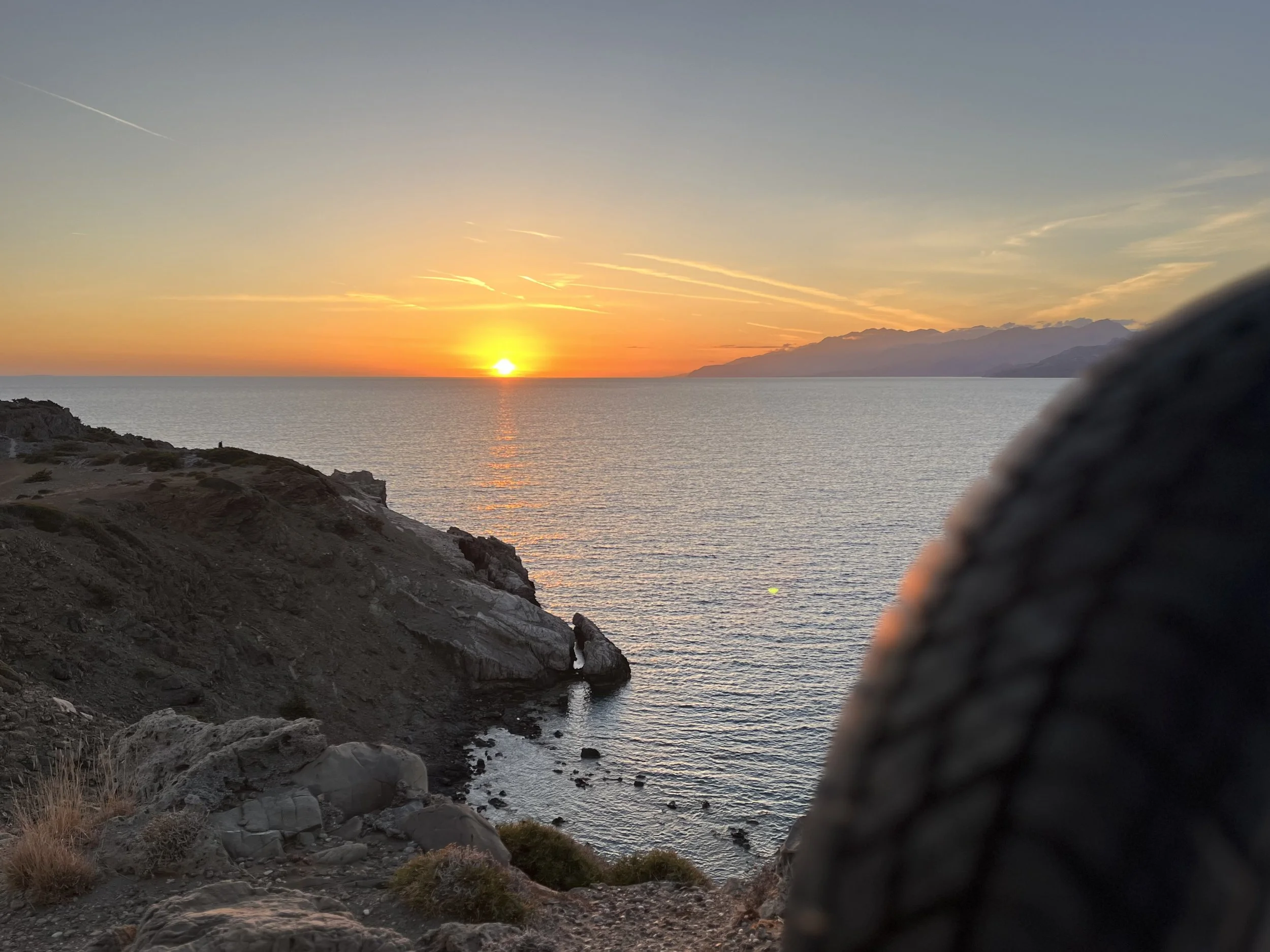
Agios Pavlos and Cape Melissa: Where South Crete Becomes Something Else
Beyond the western headland of Saktouria lie sand dunes, extraordinary coloured rock folds proposed as a Natural Monument, and a flat cliff-top platform with what may be the finest sunset view on the entire south coast. This is Agios Pavlos and Cape Melissa — and it takes about ten minutes to understand why people keep coming back.
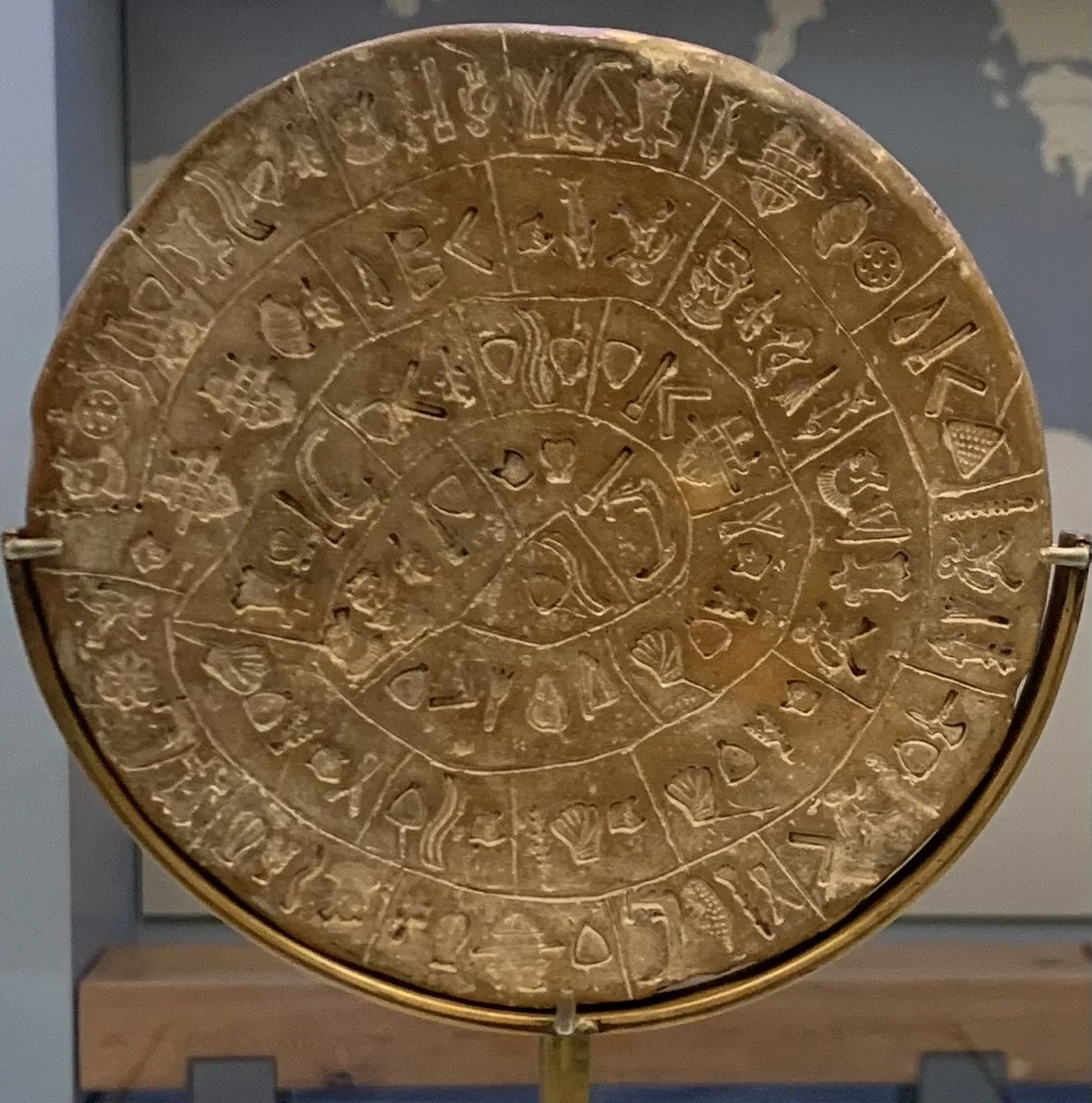
The Phaistos Disc: The Most Mysterious Object in Crete
In July 1908, an Italian archaeologist was handed a clay disc pulled from the ruins of a Minoan palace in South Crete. It was covered on both sides with symbols no one recognised, arranged in a spiral, pressed into the clay one stamp at a time before firing. More than a century later, the Phaistos Disc remains undeciphered, its language unknown, its purpose disputed.
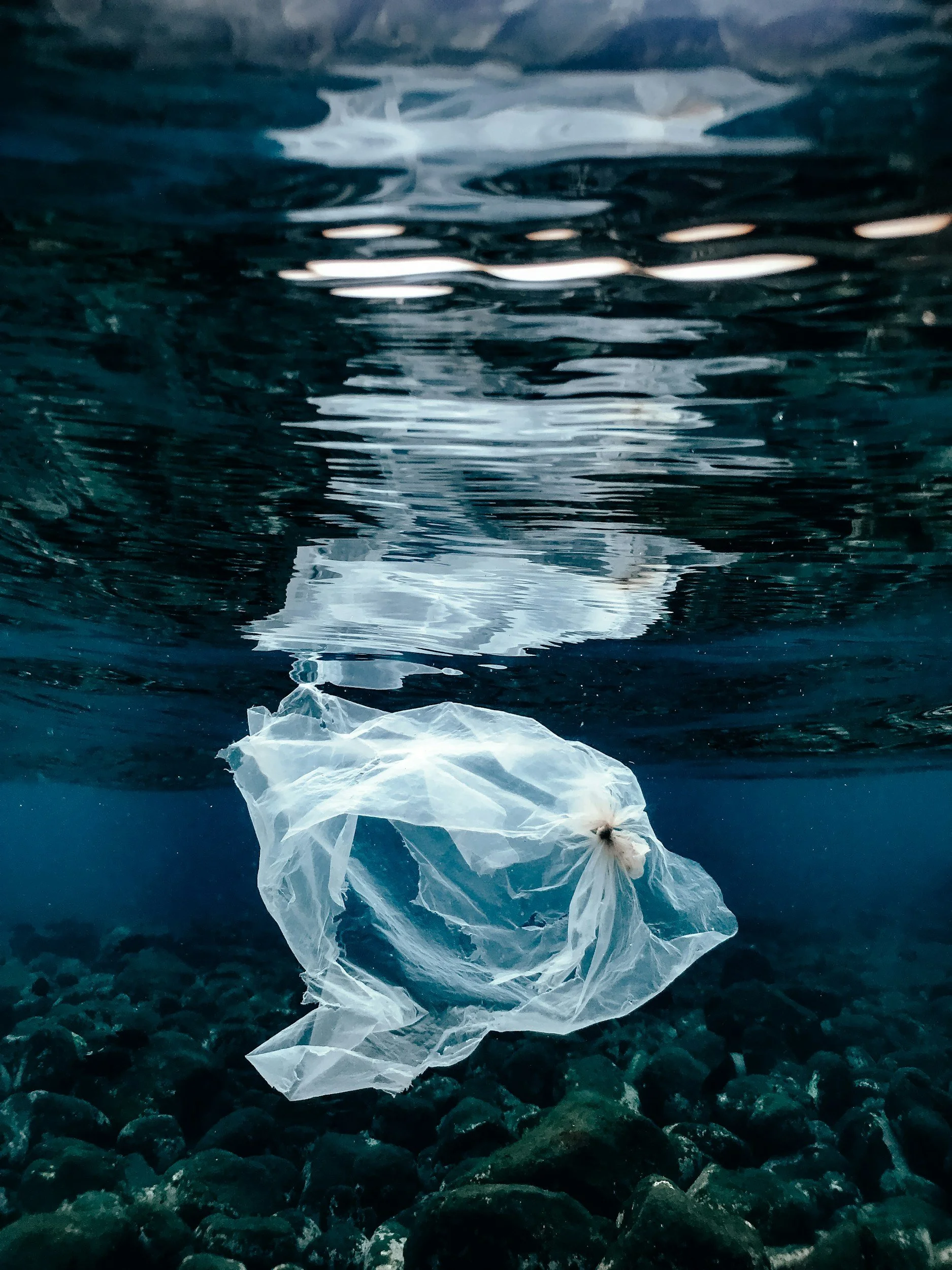
Recycling and Waste Disposal in South Crete: What Visitors Should Know
Visitors arriving in South Crete from northern Europe often notice the difference on day one. There are no kerbside collections, no colour-coded bins at the gate, and recycling infrastructure in the villages is limited at best. This is not indifference — it is a complicated picture of trust, infrastructure, and a gap between EU targets and rural reality that is closing, but slowly. Here is what you actually need to know.
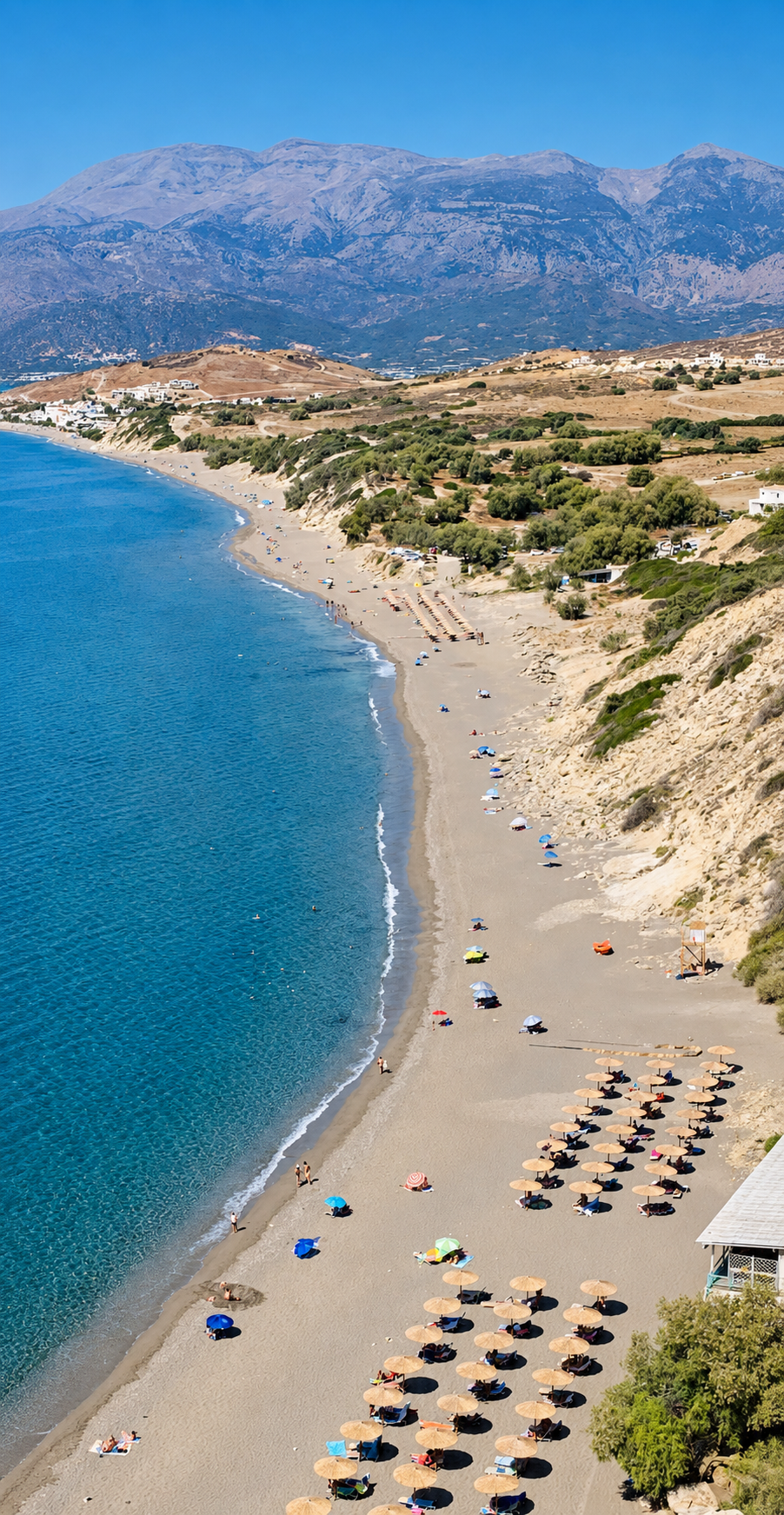
Kommos Beach: Ancient Harbour, Sea Turtles and the Best Sunset View on the South Coast
Kommos is a beach where you arrive for the swimming and leave having understood something about this coast that you didn't quite grasp before. Behind the tamarisks, a fenced Minoan harbour lies buried in the dunes. In the sand, loggerhead turtle nests are marked each summer by conservation volunteers. And on the cliffs above, two tavernas watch the sun go down over the entire Messara Bay.
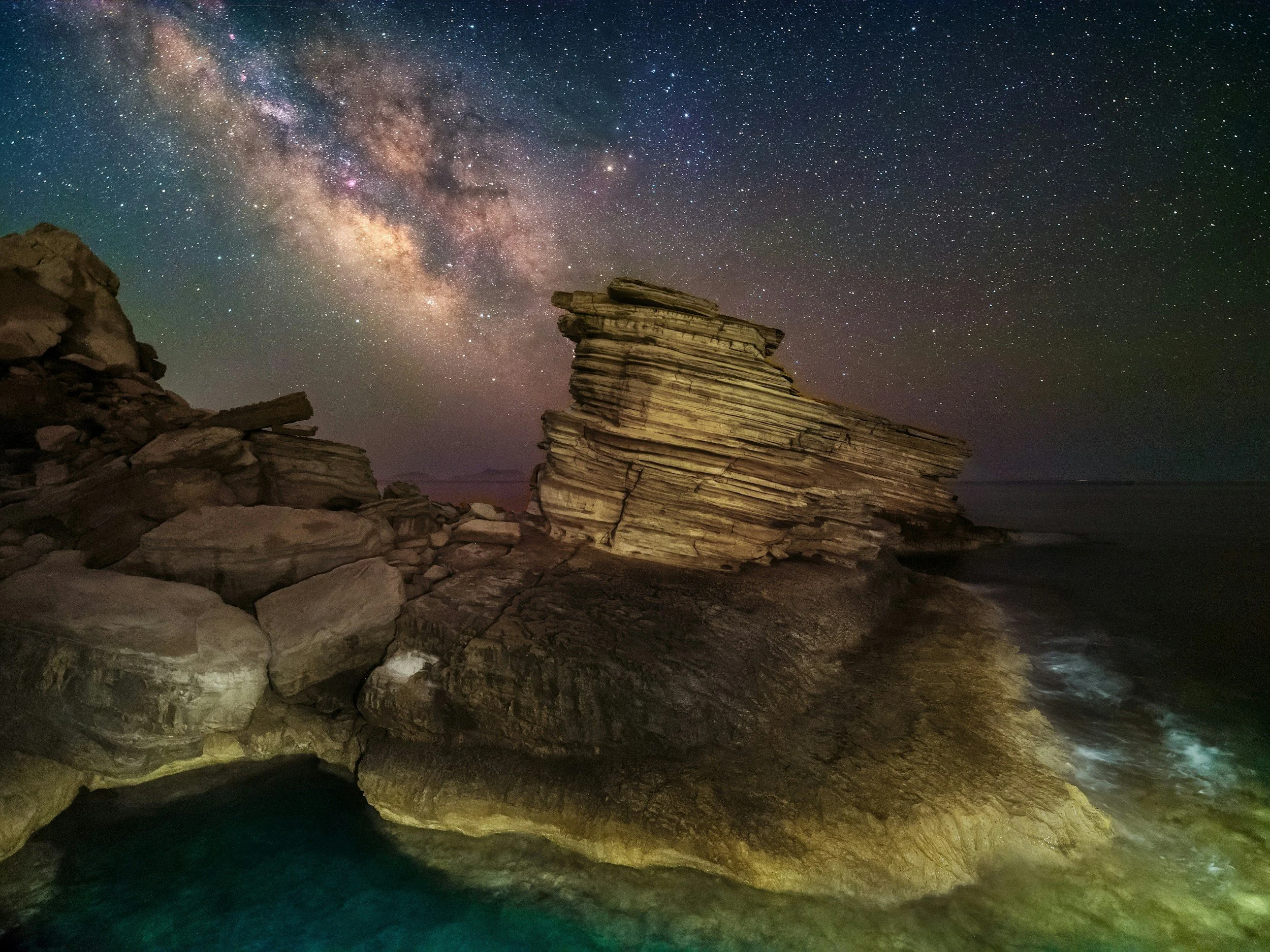
Triopetra Beach: Two Beaches, Three Rocks, One of the South Coast's Best Days
The road down from Akoumia winds through the mountain village, narrows between old stone walls, then opens onto a descent through olive groves that ends — suddenly, and with more force than you expect — in a view of the Libyan Sea that stops conversation mid-sentence. Below, three enormous rocks rise from the water. On either side: two entirely different beaches. This is Triopetra, and knowing which side suits the day makes all the difference.
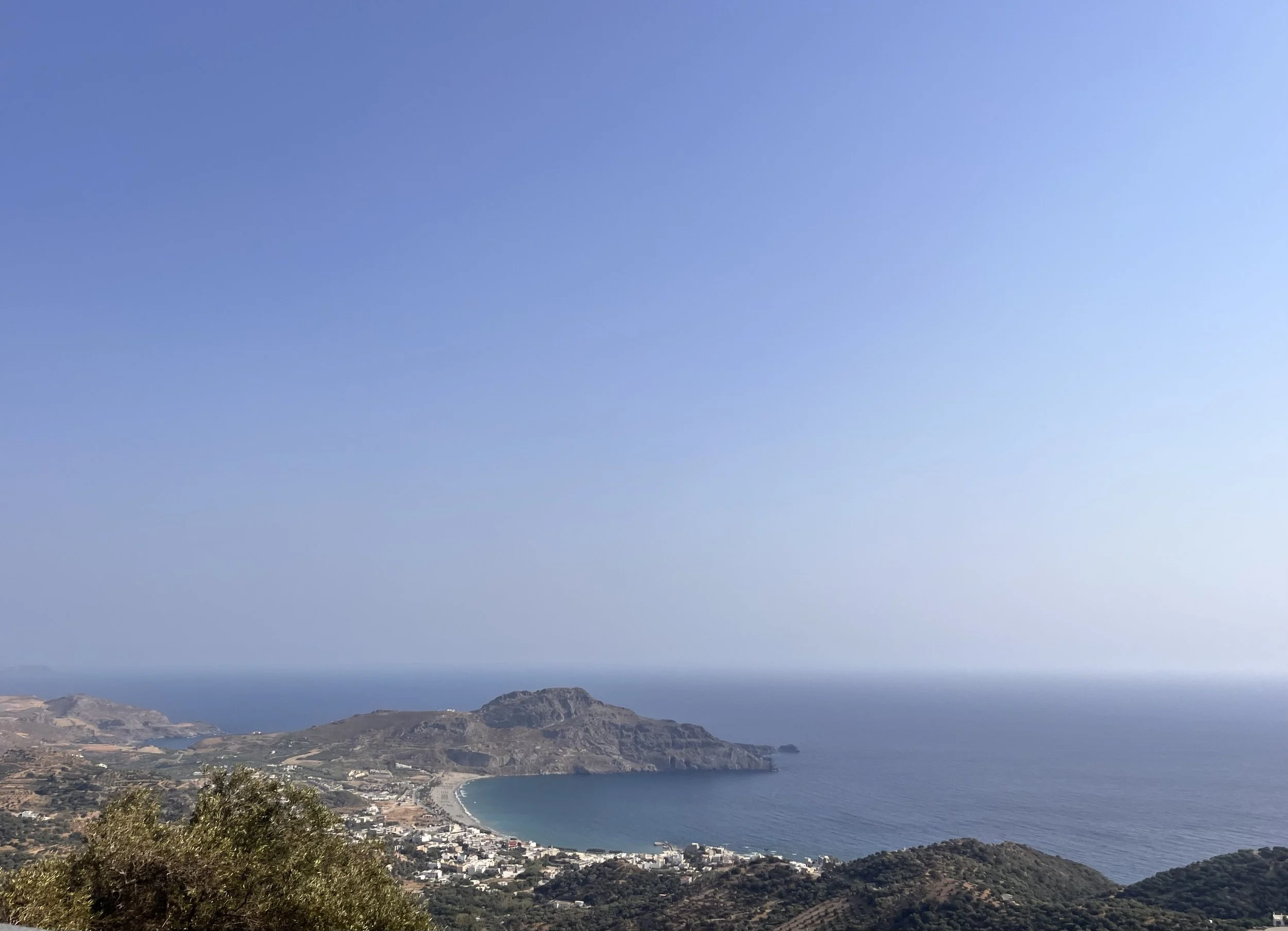
The Ultimate Guide to Plakias, South Crete
Plakias has a creation myth, and it is unusually well-documented. In the 1961 census of Greece, the settlement was recorded for the first time as a distinct place — home to six permanent residents, all of them fishermen. That is the entire early history of Plakias as a village. What came before the fishermen was older and considerably larger. What came after is one of the south coast's most quietly compelling destinations.
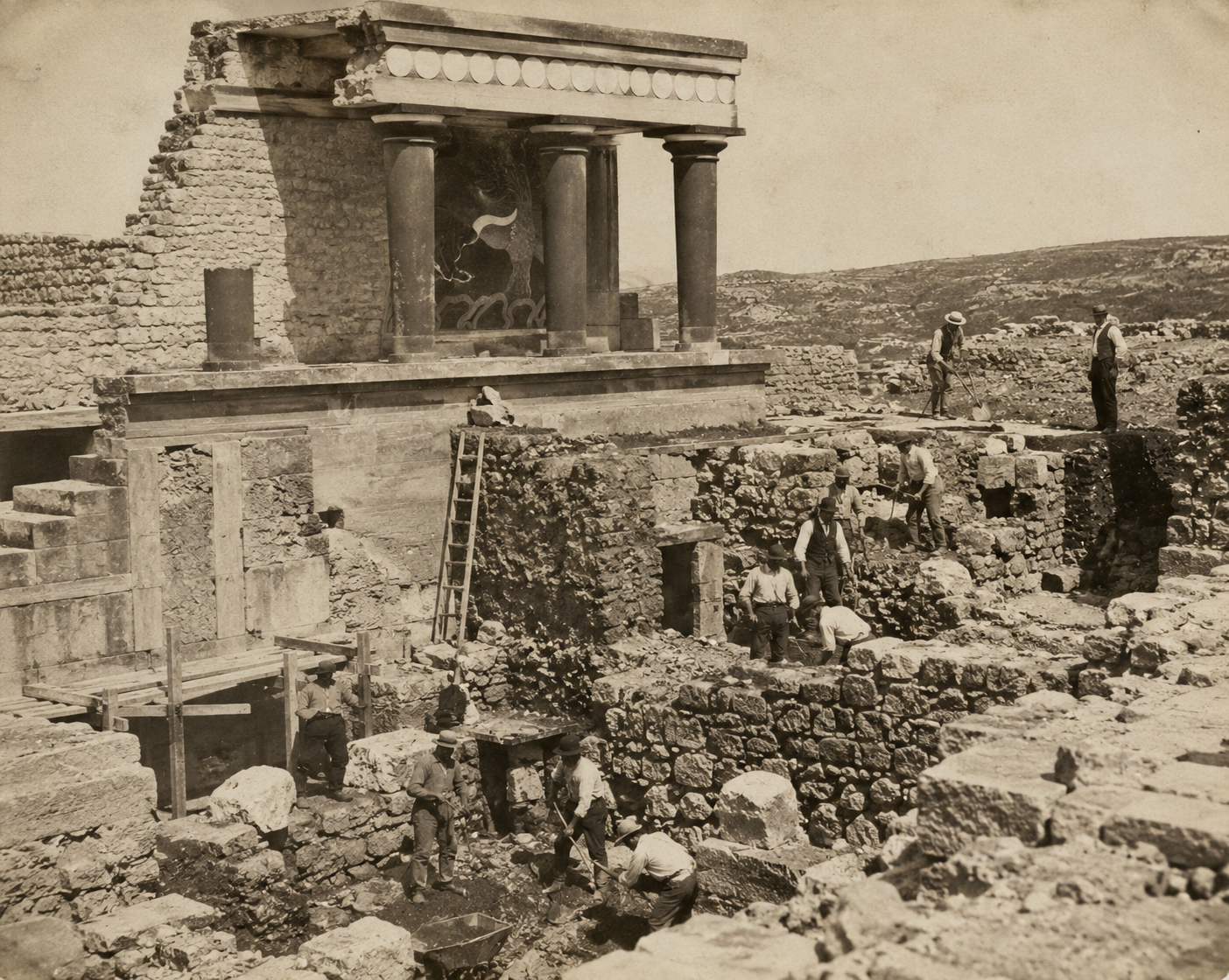
The Palace of Knossos: Is It Worth Visiting?
Knossos is one of Crete's most visited archaeological sites—and one of its most misunderstood. From the legends of the Minotaur to the controversial reconstructions of Sir Arthur Evans, this guide explores what visitors are really seeing, what archaeologists actually know, and how to make the most of a visit to Europe's most famous Bronze Age site.
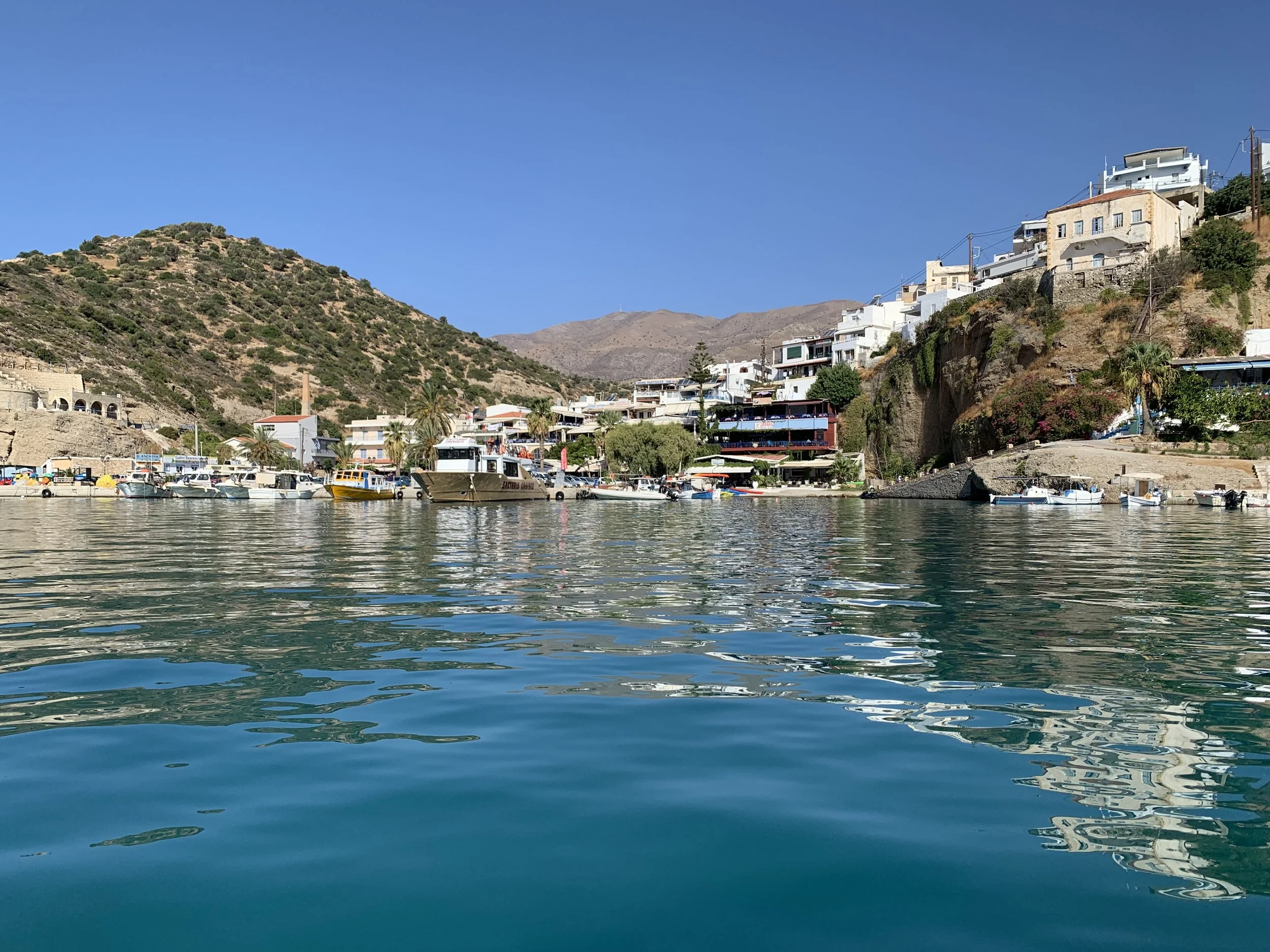
The Ultimate Guide to Agia Galini, South Crete
Agia Galini is one of South Crete's most distinctive villages. Built around a historic harbour on the Libyan Sea, it combines mythology, archaeology, local life, and a growing collection of exceptional places to stay. This guide explores what makes Agia Galini special, what to see, where to eat, and why so many visitors return year after year.
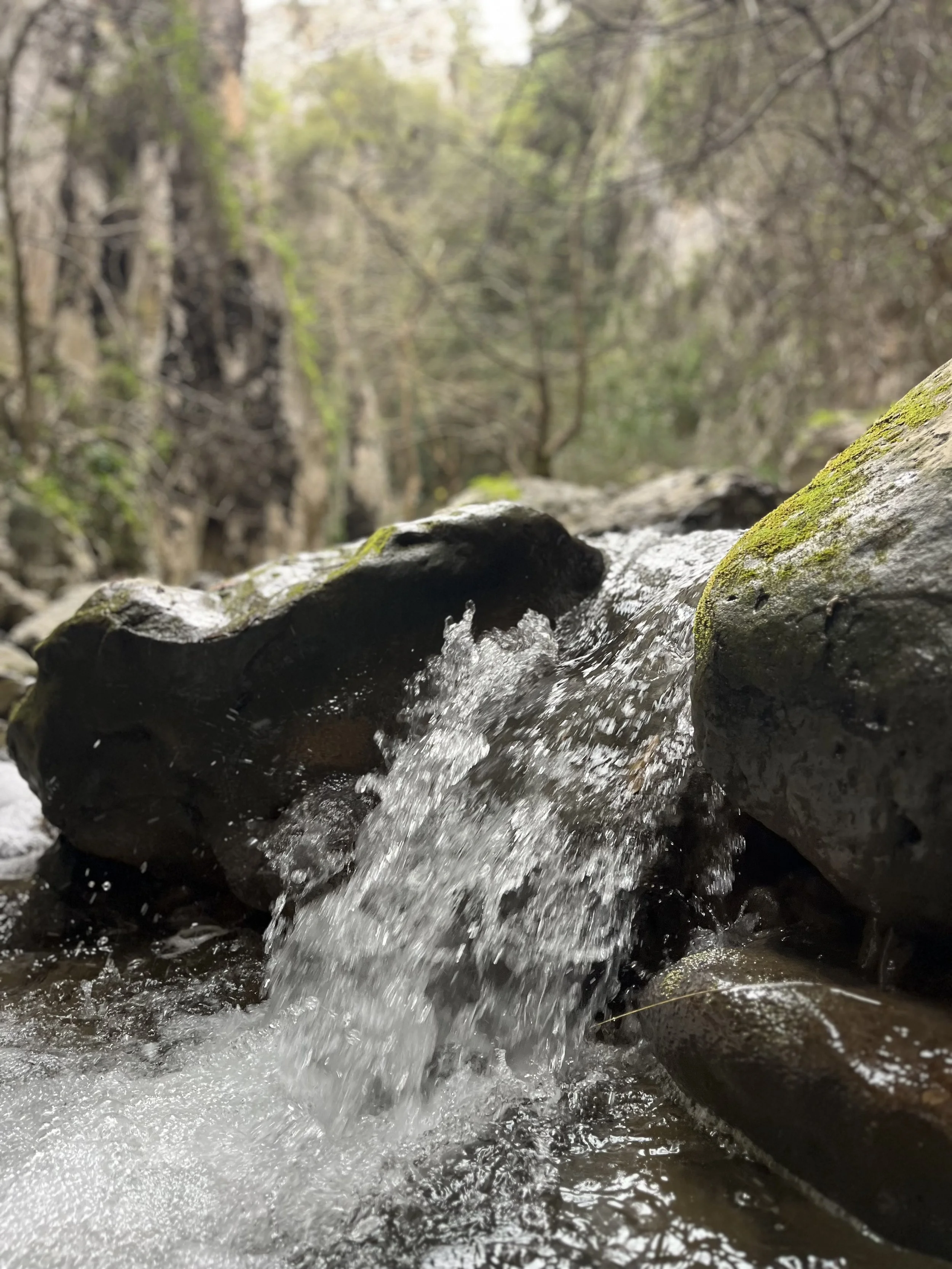
Should You Feel Guilty About Your Villa Pool? The Science of Water in Crete
Somewhere between the first sip of cold water at a taverna table and the moment you slide into a villa pool at the end of a long August afternoon, a thought occasionally surfaces in the mind of the conscientious traveller. Is this sustainable? Should I feel guilty about this? Is Crete running out of water? These are fair questions. They deserve better than vague reassurance — or breathless alarm.
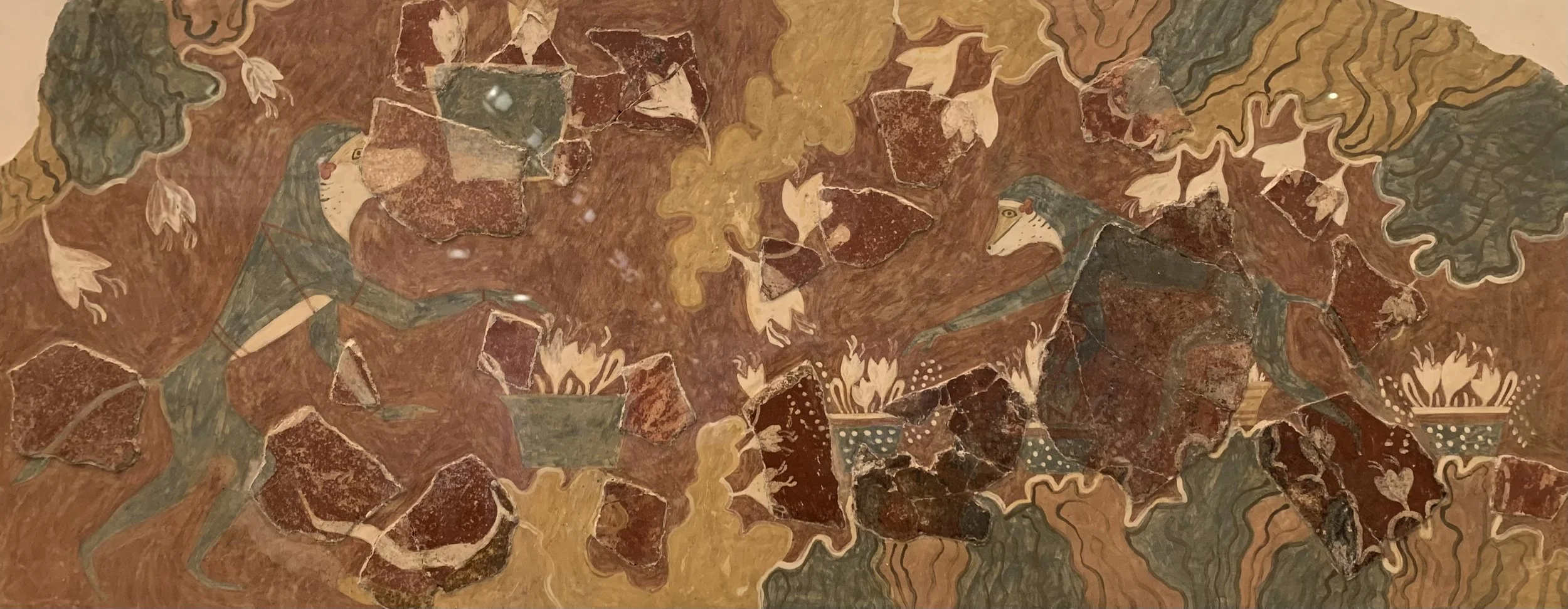
The Archaeological Museum of Heraklion: A Portal into the World of the Minoans
Most people who come to Crete put Knossos on their list. Fewer think to add the Archaeological Museum of Heraklion. This is a mistake — and in some respects it is the wrong order. The museum is where the palace makes sense. Two hours here will teach you more about the Minoans than a week of reading.
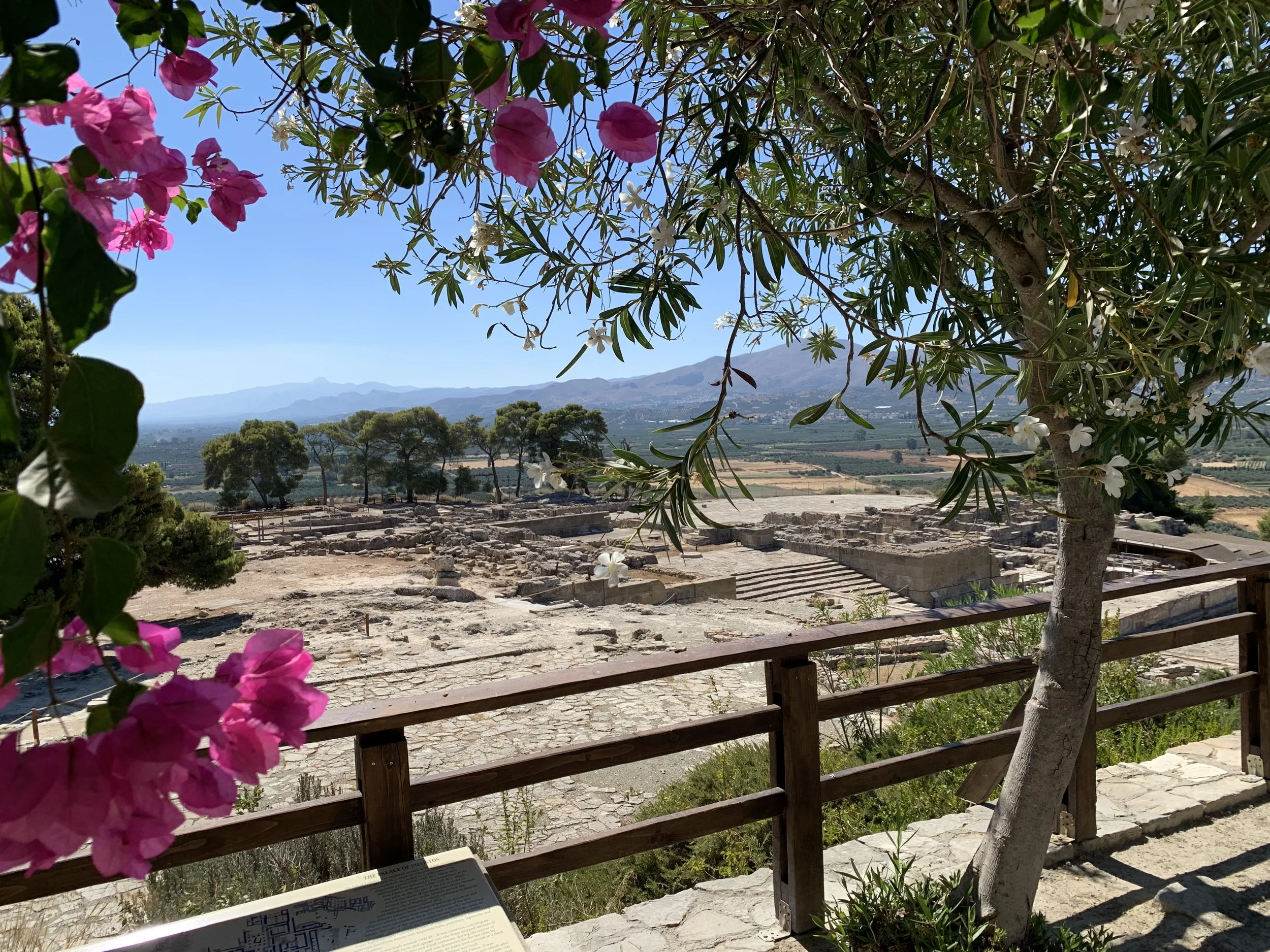
The Palace of Phaistos: The Minoan Site That Knossos Visitors Rarely Find
There is a second Minoan palace on Crete that is quieter, better sited, and more honest about what it is than Knossos — and it sits twenty minutes from the south coast. The Palace of Phaistos has been recognised as a UNESCO World Heritage Site, has never been reconstructed, and commands one of the finest views in the ancient world. Here is why it deserves a morning of your week.
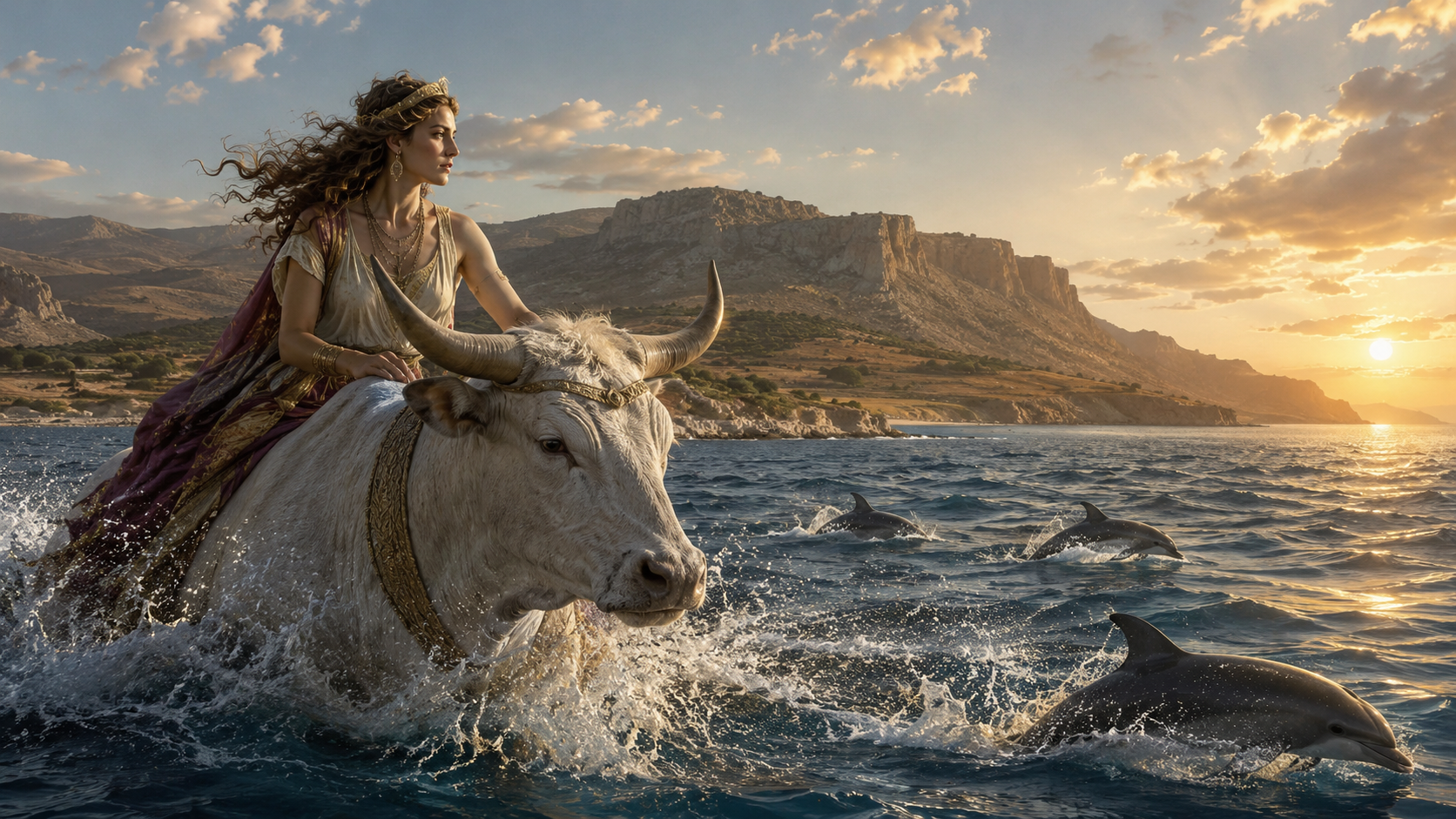
Beyond the Minotaur: The Forgotten Myths of South Crete
Beyond the Minotaur and the Labyrinth, South Crete has its own mythology. Discover the stories of Europa's arrival, Apollo's Cretan sailors, Menelaus' shipwreck and the ancient legends surrounding Paximadia, Agios Pavlos and Phaistos.
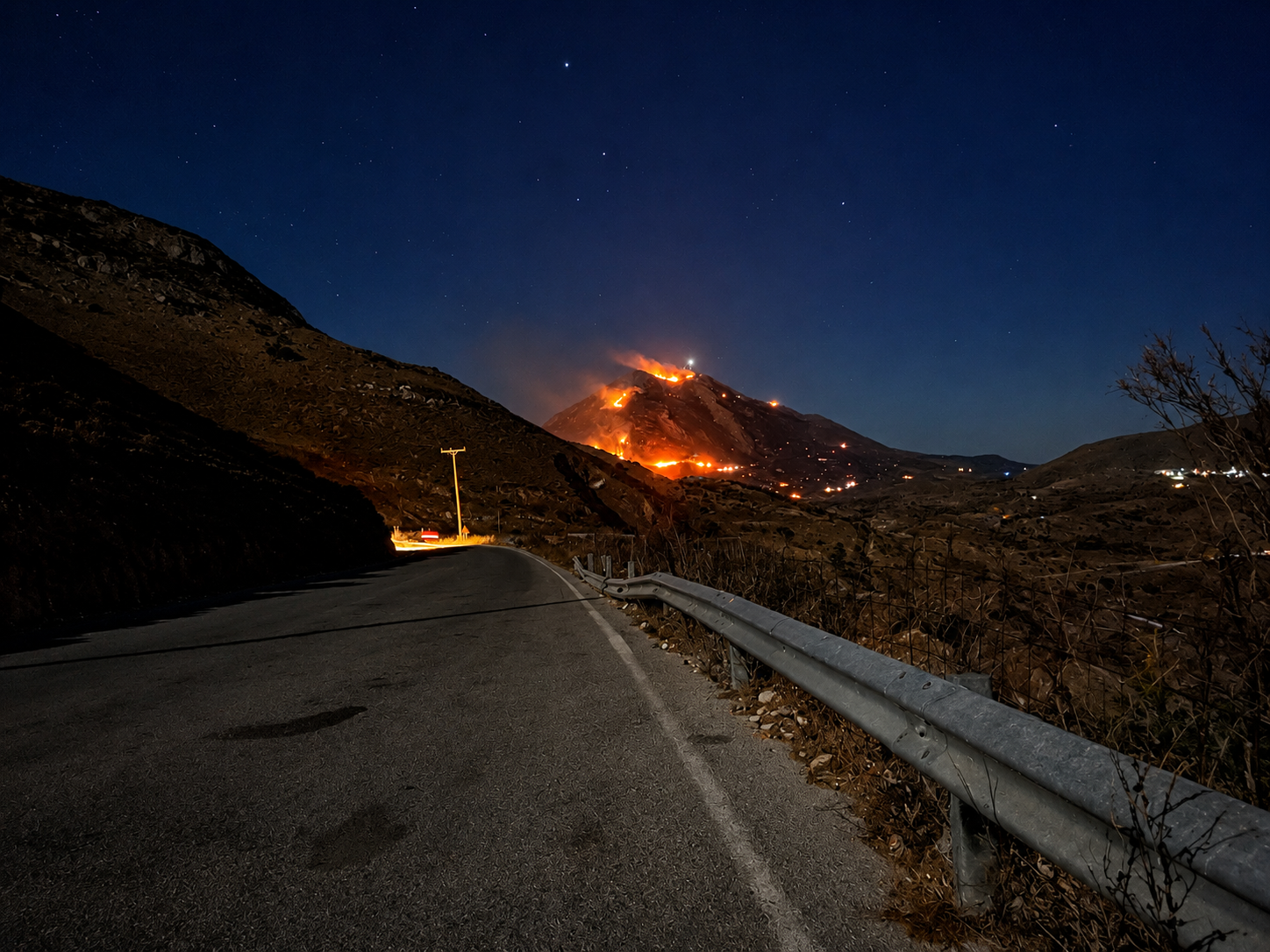
Wildfires in Crete: Causes, History and What Visitors Should Know
If you spend any time in Crete between June and September, you will almost certainly see smoke on a hillside. Some summers it is a distant plume, gone by evening. Other summers it is something more serious. Wildfires are part of life on this island — and understanding them, their causes, their history, and their relationship to the landscape is part of understanding Crete itself.
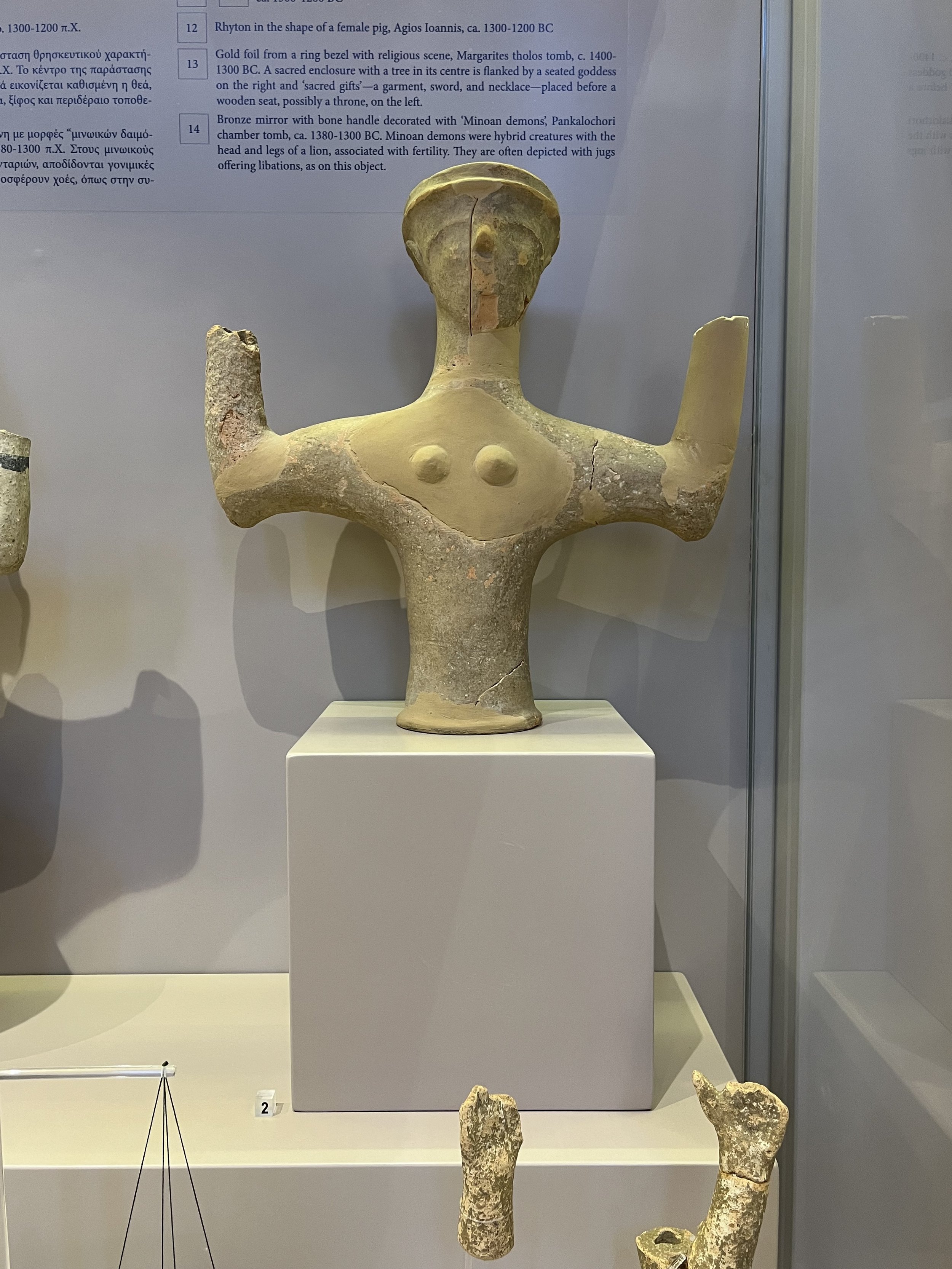
Ancient South Crete: The Forgotten Archaeology Beyond Knossos
Beyond Knossos and Phaistos lies another side of Crete’s history: forgotten harbour settlements, mountain refuge sites and hidden archaeological landscapes across the Libyan Sea coast. Following the work of archaeologist Sinclair Hood, this article explores the quieter ancient world of South Crete.
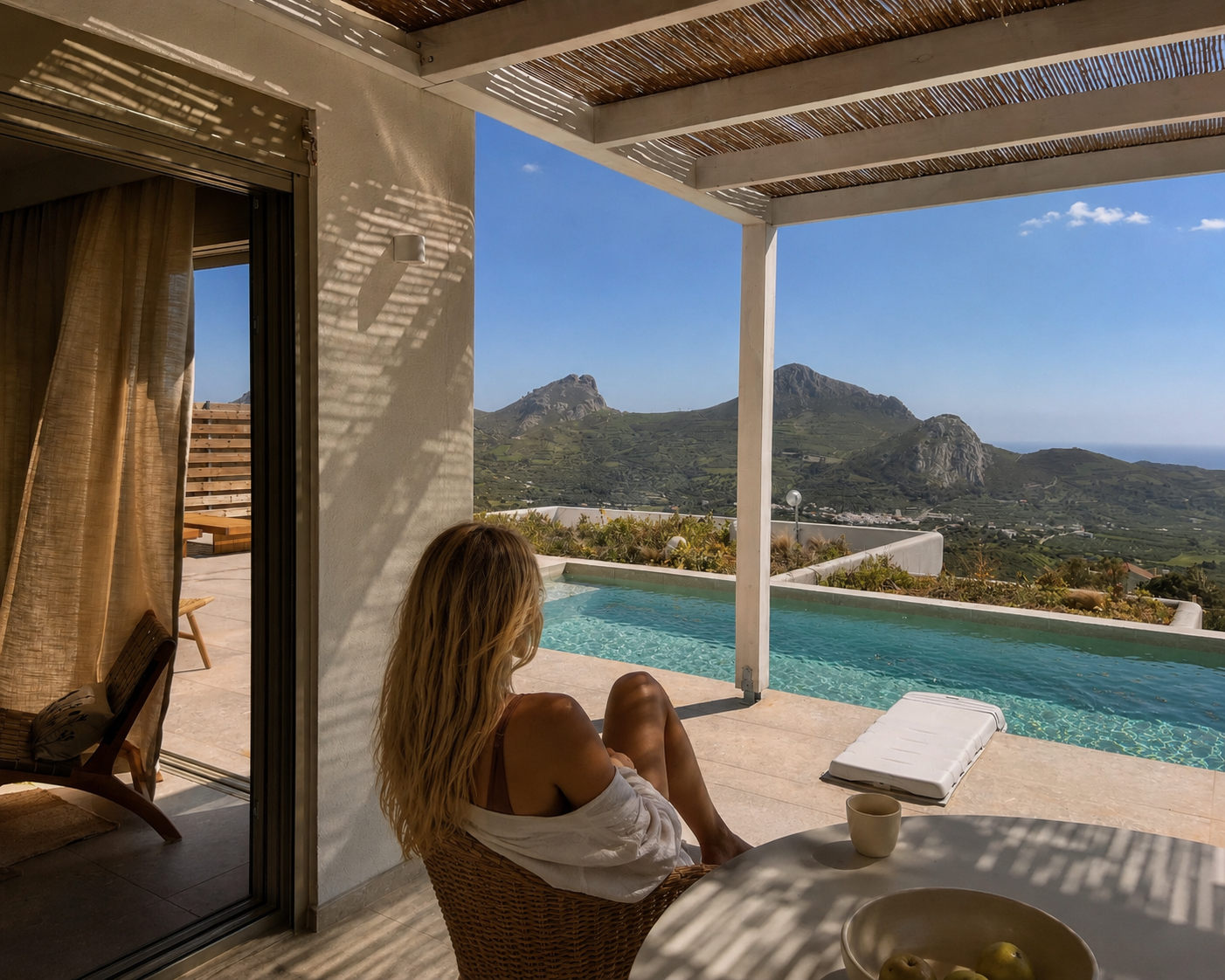
The Most Instagrammable Spots in South Crete: Beaches, Cliffside Views & Cinematic Places
From hidden cliffside tavernas and dramatic gorges to panoramic villas overlooking the Libyan Sea, discover the most Instagrammable spots in South Crete — including iconic landmarks and lesser-known places that still feel wonderfully real.
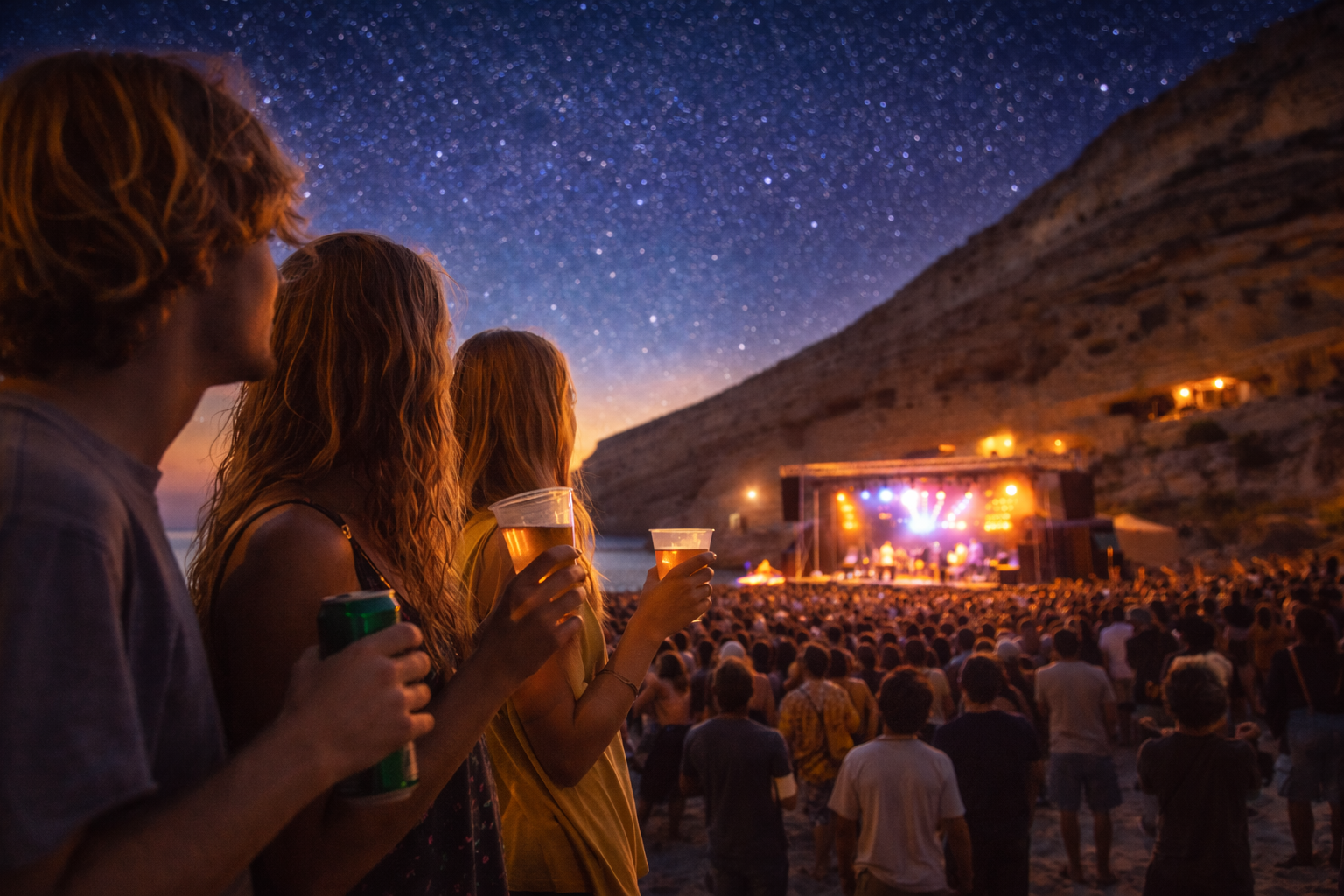
Matala Beach Festival 2026: Where to Stay for the Perfect South Crete Experience
A guide to the Matala Beach Festival in Crete — from its unique atmosphere and beachside concerts to where to stay for a more balanced, comfortable experience.
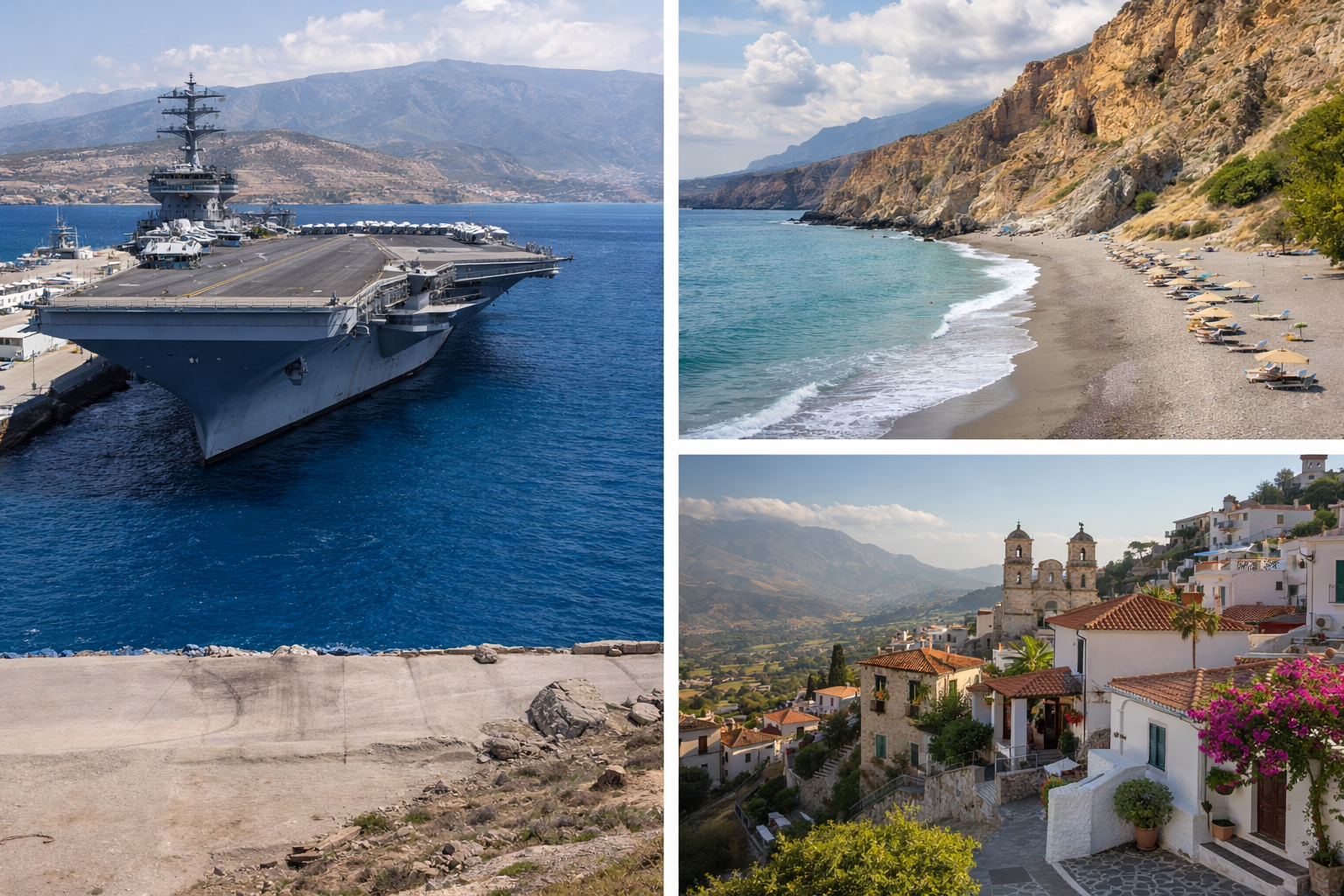
Is Crete Safe? The Iran War, Regional Tensions and What Travelers Should Know
With the war involving Iran dominating international headlines, some travelers are wondering whether it is still safe to visit Crete. This article looks calmly at the real factors that matter: distance from the conflict, the presence of the NATO base at Souda Bay, regional context and travel implications, and why everyday life on the island continues normally.