
Botanical Crete: Wild herbs, orchids and the rich plant life of the island
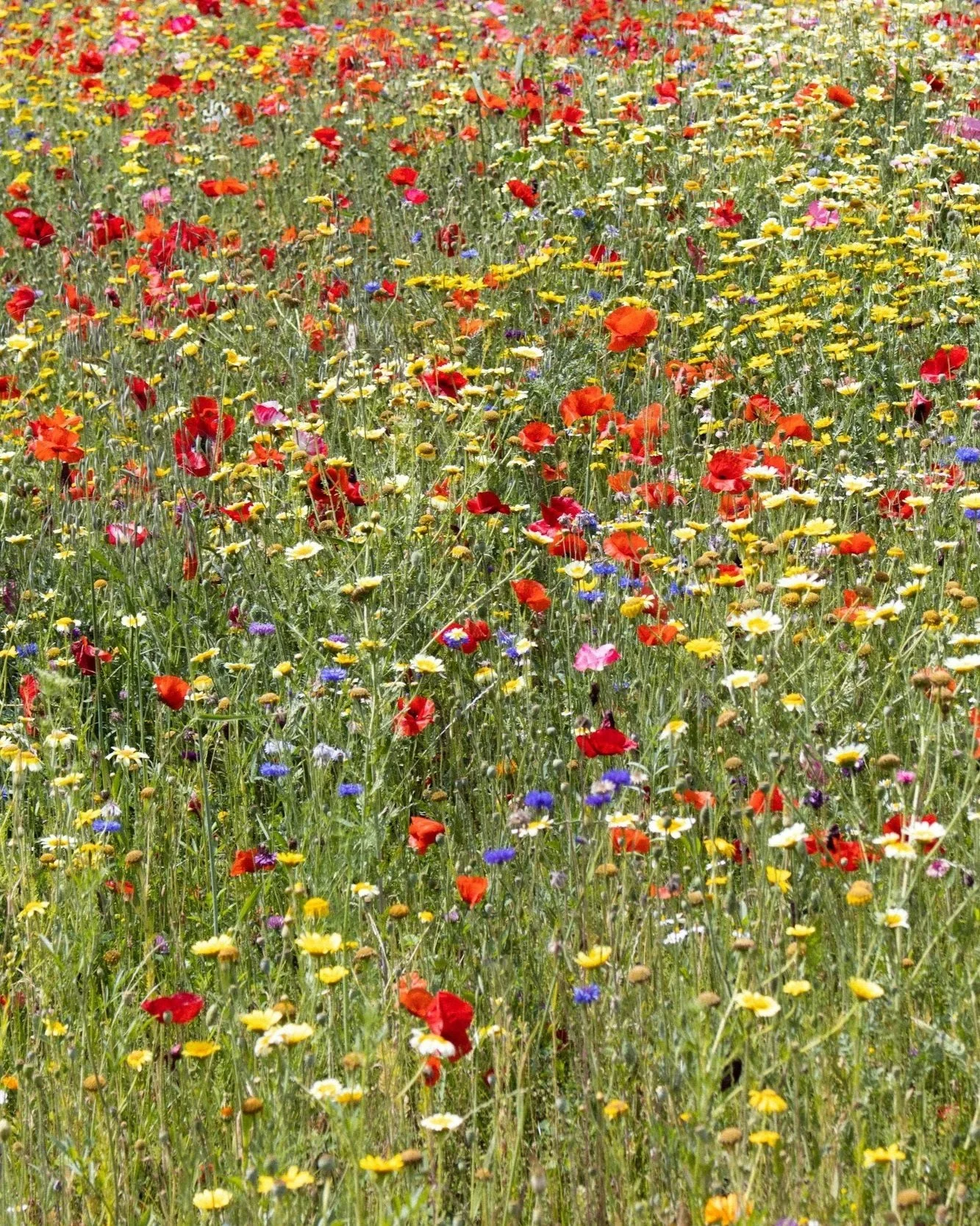
Crete is often described through its beaches, villages and mountains. But to understand the island properly, it helps to look down as much as out.
Crete is one of the richest botanical regions in Europe. Its geography creates a remarkable range of habitats: coastal dunes, limestone cliffs, olive groves, dry phrygana scrub, fertile plains, cypress valleys and high mountain slopes. Within this relatively small island, thousands of plant species grow — many of them aromatic, edible, medicinal or endemic.
For visitors, this richness is not abstract. You smell it on a walk. You taste it in a taverna. You notice it in spring meadows, in rocky roadside banks, and in the herbs that perfume warm evening air.
Botanical Crete is not a garden.
It is a living landscape.
Crete is often described through its beaches, villages and mountains. But to understand the island properly, it helps to look down as much as out.
Crete is one of the richest botanical regions in Europe. Its geography creates a remarkable range of habitats: coastal dunes, limestone cliffs, olive groves, dry phrygana scrub, fertile plains, cypress valleys and high mountain slopes. Within this relatively small island, thousands of plant species grow — many of them aromatic, edible, medicinal or endemic.
For visitors, this richness is not abstract. You smell it on a walk. You taste it in a taverna. You notice it in spring meadows, in rocky roadside banks, and in the herbs that perfume warm evening air.
Botanical Crete is not a garden.
It is a living landscape.
An Island of Endemic Plants
Crete’s long isolation helped create a flora that is both diverse and distinctive. Many plants found here grow nowhere else, or only in a few places in the wider eastern Mediterranean.
The island’s botanical richness is shaped by:
strong contrasts between coast and mountain
limestone and rocky soils
intense sun and long dry summers
winter rain and short green seasons
countless microclimates created by altitude and exposure
This is why a walk in Crete can shift so quickly from dry thyme-covered hills to shaded slopes full of spring flowers.
The Wild Herbs of Crete
One of the fastest ways to understand the island botanically is through its herbs.
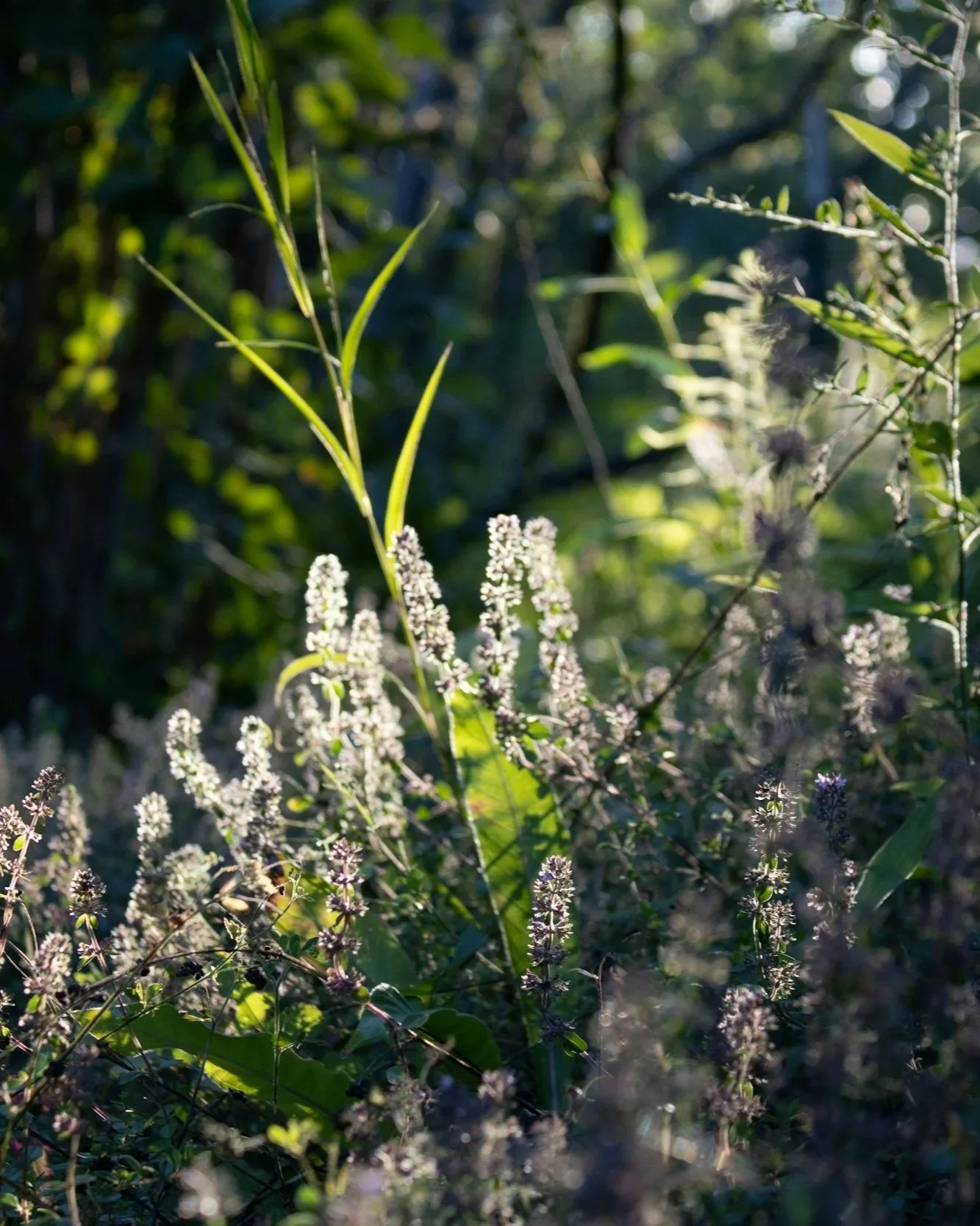
Even people who know little about plants often notice that the air smells different here — sharper, resinous, warm and slightly medicinal. Much of that comes from the herb layer that covers hills, roadsides and rocky ground.
Among the best-known herbs are:
thyme, strongly linked to Cretan honey
oregano, used in cooking and dried in bunches
sage, common in herbal infusions
rosemary, especially around gardens and stone walls
wild fennel, appearing in tall feathery stands
dittany of Crete (diktamo), one of the island’s most famous endemic herbs
mountain tea (malotira / sideritis), long used in warming infusions
These plants are not only fragrant. They are part of the island’s food culture, home remedies and seasonal rhythms.
Dittany of Crete: The Island’s Most Famous Herb
Few plants are more strongly associated with Crete than dittany, known locally as diktamo.
This delicate, aromatic herb grows in rocky places and was valued since antiquity for its medicinal qualities. It appears in ancient texts and remains one of the island’s most emblematic plants.
Dittany has:
soft silvery leaves
a warm, slightly bitter aroma
strong cultural associations with healing and traditional herbal practice
Today it is often sold dried for tea, though wild populations are protected and should not be casually collected.
Mountain Tea and Herbal Infusions
Herbal tea is part of everyday life in Crete, especially in winter and spring.
Mountain tea, often called malotira, grows in higher elevations and is known for its gentle, earthy character. It is widely used as a comforting infusion and has long been associated with traditional wellness.
Other common infusions include:
sage
chamomile
dittany
thyme blends
fennel-based herbal mixes
These are not exotic niche products here. They belong to ordinary domestic life.
Wild Fennel and Other Umbellifers
Wild fennel is one of the most visible plants on the island. Its tall stems and feathery yellow leaves appear along roadsides, terraces and dry fields, and it is used in many local dishes.
In cooking, fennel brings freshness to:
pies
stews
lentil dishes
fish preparations
A distant cousin to the extinct Silphium — the highly prized, fabled "giant fennel" plant native to Cyrene (modern-day Libya) that served as a cornerstone of Roman and Greek medicine, cuisine, and contraception — the Cretan fennel is part of a proud family.
At the same time, Crete — like much of the Mediterranean — is home to several fennel-like plants in the carrot family, and not all are safe. Some wild umbellifers can be toxic, which is why foraging should always be guided by real knowledge rather than appearance alone.
That contrast is part of botanical Crete too: beauty, usefulness and caution living close together.
Wild Greens in the Cretan Kitchen
Crete’s flora is not only admired — it is eaten.
Many traditional dishes rely on wild greens, gathered seasonally and known broadly as chorta. These greens are boiled, dressed simply with olive oil and lemon, or used in pies and mixed vegetable dishes.
Important examples include:
stamnagathi, a prized wild chicory with a slightly bitter taste
chorta, a broad term covering several edible wild greens
vlita, amaranth greens commonly eaten in summer
wild fennel shoots
sorrel and other seasonal greens depending on region and season
These foods belong to an older Mediterranean logic of eating: seasonal, local, modest and deeply tied to the land.
Orchids of Crete
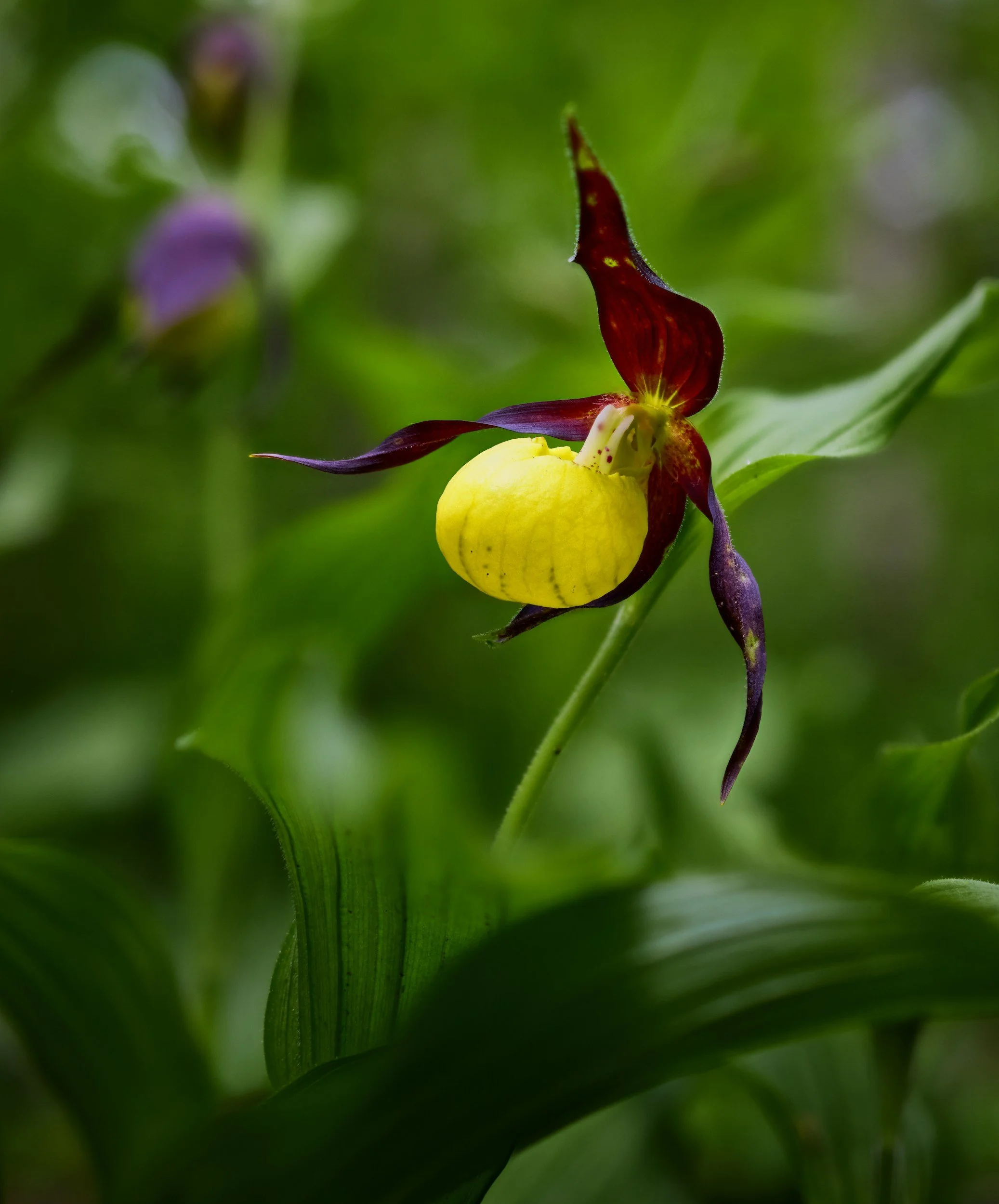
Few visitors expect Crete to be an orchid island — but in spring, it is.
Dozens of orchid species bloom across the island, often quietly, low to the ground, hidden among grasses and stones. Some are small and easily missed. Others are so intricate that they seem almost unreal.
Orchids can be found in:
open fields
lightly grazed hillsides
mountain foothills
rural valleys and meadows
The best season is usually spring, especially March to May, depending on altitude and rainfall.
What makes these orchids so fascinating is not only their beauty, but their precision. They depend on very particular conditions and are easily damaged by trampling or collecting. They are best enjoyed slowly, carefully and in place.
Olive Trees: The Great Botanical Presence of Crete
If one plant defines the visual and cultural landscape of Crete, it is the olive tree.
Olives are everywhere:
in ancient groves around villages
on terraces above the sea
in valleys and plains
beside roads, chapels and farm tracks
Botanically, the olive is not dramatic. But culturally and structurally it shapes the island more than almost any other plant.
Olive trees mean:
shade
continuity
harvest
oil
stone terraces
family land
To walk through South Crete is often to walk through olive country.
And to eat in Crete is to taste olive oil at almost every meal.
Carob, Capers, Coastal Plants
Beyond olives and herbs, many other characteristic plants shape the island’s identity.
Carob
The carob tree is a classic Mediterranean presence, with dark pods and deep shade. Once a major rural crop, it still appears across Crete and remains a reminder of older agricultural rhythms.
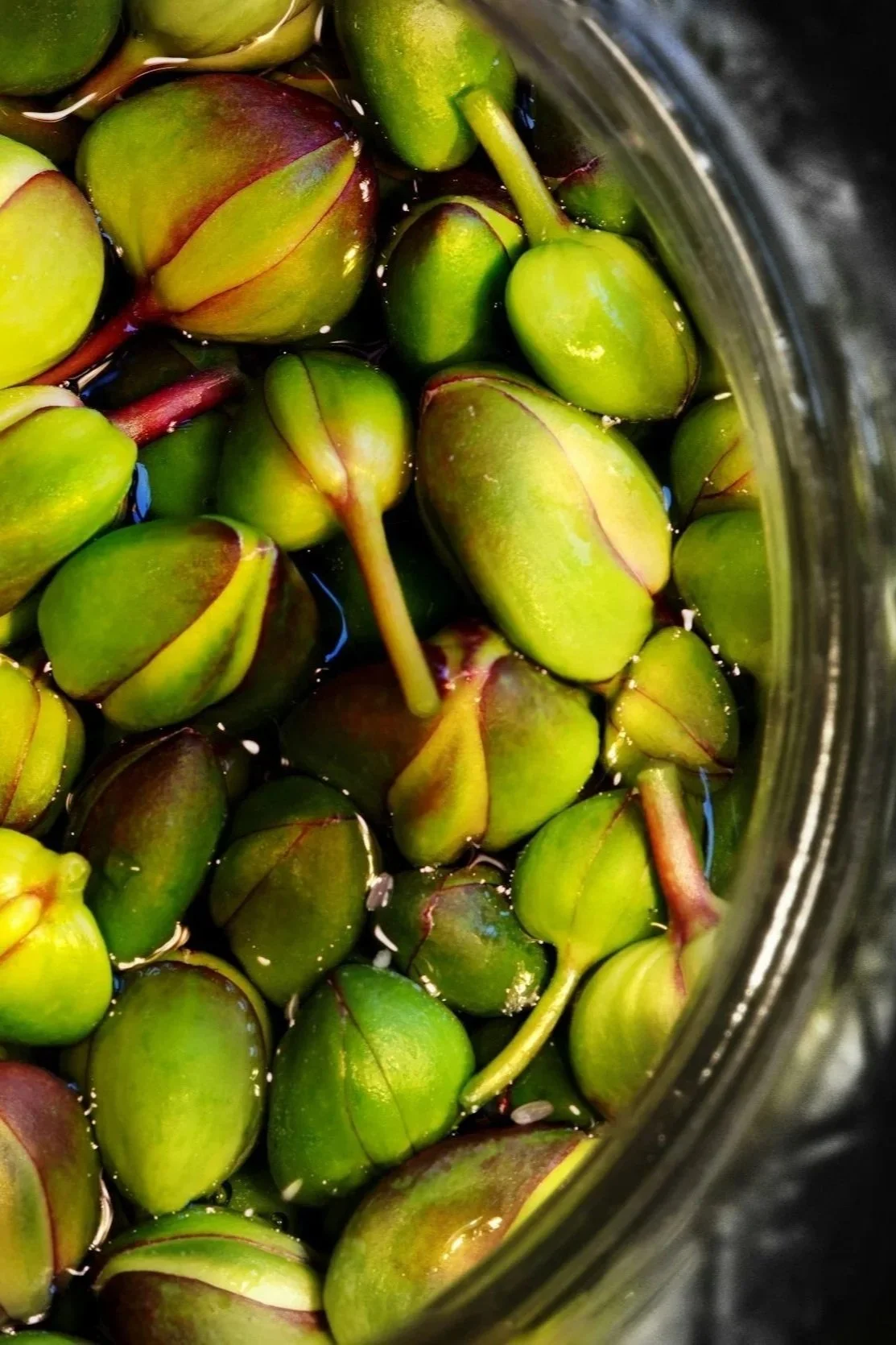
Capers
Growing out of walls, rocks and dry embankments, capers are one of the most elegant signs of Mediterranean toughness. Their flower buds are used in cooking, and the plant thrives where almost nothing else seems able to grow.
Rock samphire and coastal plants
Near the sea, salt-tolerant plants occupy cliffs and rocky shores. These species rarely draw much attention from visitors, but they are part of what gives the southern coastline its resilient botanical character.
Spring: The Great Botanical Season
If you want to feel Crete as a botanical island, come in spring.
From late winter into May, the landscape transforms:
hills briefly turn green
orchids bloom
poppies and daisies appear in fields
herbs release fragrance in warming air
wild greens are at their best
This is one of the island’s quietest and most beautiful seasons.
It is also the best time to notice how rich the plant world really is — before the summer sun hardens everything back into gold, silver and stone.
Plants Shaped by Heat, Wind and Drought
Much of Crete’s flora survives under difficult conditions.
Summer brings:
prolonged drought
strong light
dry winds
thin soils
exposed rock
This is why so many Cretan plants are:
aromatic
grey-green or silvery
low to the ground
small-leaved
resinous
These are adaptations, not aesthetic accidents.
The island’s beauty is partly a beauty of endurance.
A Botanical Landscape You Can Taste
What makes botanical Crete special is that its plants are not separate from daily life.
You encounter them:
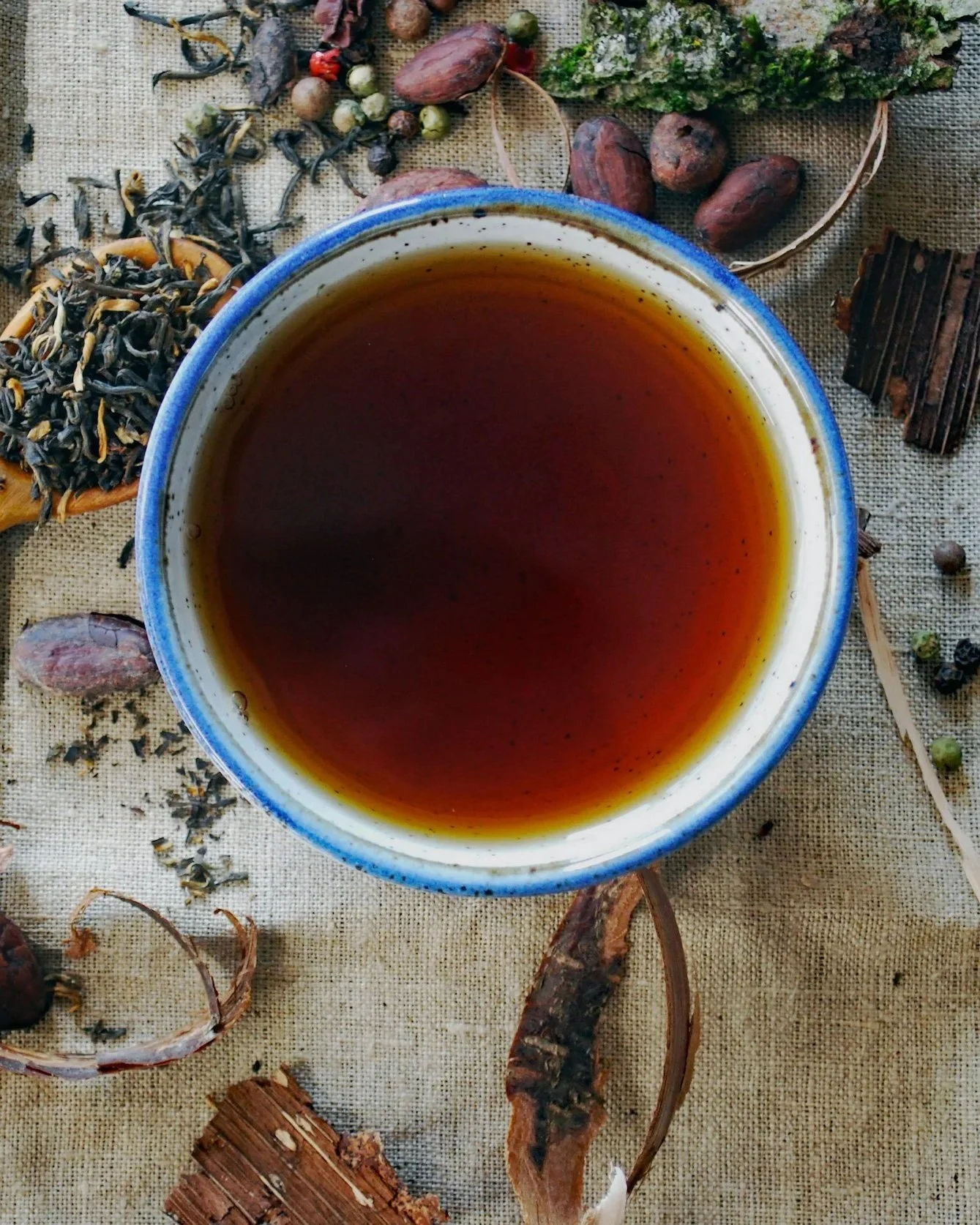
in herbal tea after dinner
in thyme honey at breakfast
in olive oil on bread
in wild greens served with lemon
in oregano drying outside village houses
in the scent rising from the roadside after heat
This is not a landscape viewed only from a distance.
It is one you smell, eat and carry with you.
If you are exploring the island slowly and deciding where to stay, our guide on where to stay in South Crete offers a deeper look at the villages and landscapes that shape different parts of the region.
And if you want to experience this side of the island at your own pace, you can browse our collection of vacation homes in South Crete.
Final Thought
Crete rewards people who notice details.
A tiny orchid in a field.
A fig tree beside a chapel.
The scent of thyme in warm wind.
A plate of boiled greens made from plants gathered that morning.
The island’s plant life is not background.
It is one of the clearest expressions of place.
To walk through Crete attentively is to understand that nature here is not decorative.
It is cultural, practical, ancient and alive.
