
Cretan Wine: The Revival of Ancient Grapes in Europe’s Oldest Vineyard
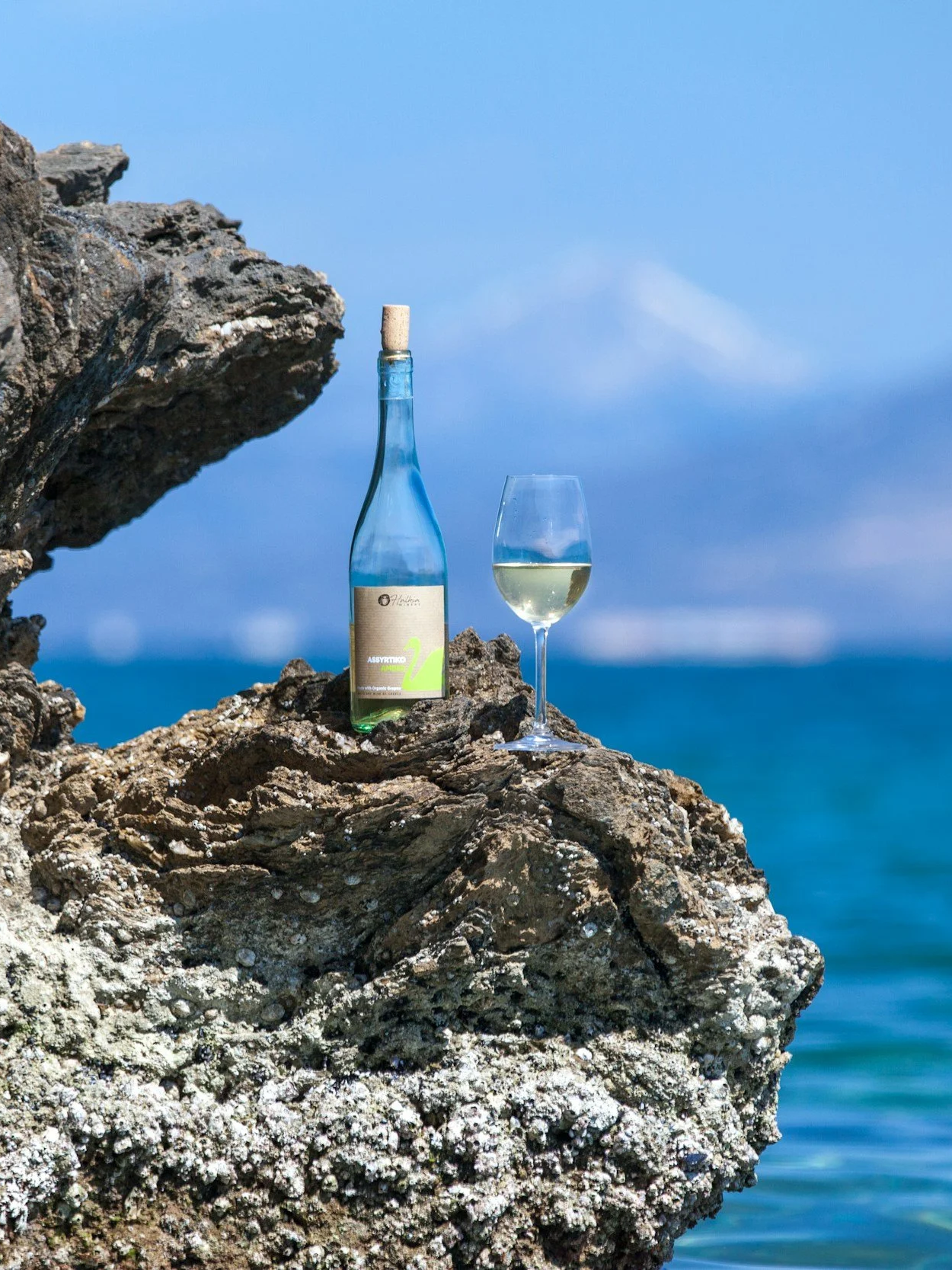
Crete has been producing wine for more than 4,000 years.
Long before Bordeaux, before Tuscany, before Rioja — the Minoans were cultivating vines on this island.
And yet, for decades, Cretan wine remained underrated.
Today, that is changing — quietly but decisively.
Across the island, small producers are reviving ancient grape varieties that nearly disappeared in the 20th century. What’s emerging is not imitation of international styles, but something distinctly Cretan: mineral, sun-drenched, structured and deeply tied to place.
For visitors staying in South Crete, this revival offers something unexpected — an authentic wine culture that feels rediscovered rather than reinvented.
From Mass Production to Micro Terroir
In the 1970s and 80s, much of Cretan wine production focused on volume. International grapes like Cabernet Sauvignon and Chardonnay were planted widely.
But in the last 15–20 years, a new generation of winemakers has turned back toward indigenous varieties — grapes that evolved on this island over centuries.
The focus has shifted to:
• Low-intervention cultivation
• High-altitude vineyards
• Old vines
• Indigenous yeast fermentation
• Respect for microclimate and soil
The result? Wines that taste unmistakably of Crete.
Indigenous Cretan Grape Varieties You Should Know
Vidiano (White)
Often called the “star” of the revival, Vidiano produces elegant, aromatic whites with notes of apricot, herbs and citrus peel. It has structure and aging potential — unusual for Mediterranean whites.
You’ll find it both as single-varietal wines and in blends.
Vilana (White)
Crisp, mineral and refreshing, Vilana thrives in Crete’s limestone soils. Traditionally used in blends, it is now increasingly bottled on its own with striking clarity.
Liatiko (Red)
One of Crete’s most historic red grapes. Light in color but complex, with dried fruit and spice notes. Some producers craft elegant, almost Burgundian-style expressions.
Kotsifali (Red)
Soft, fruity and often blended, Kotsifali brings warmth and Mediterranean character.
Mandilari (Red)
Darker, more structured, often used for deeper blends. Produces bold wines with aging capacity.
Why You Rarely See Cretan Wine Abroad
Despite its long history and improving quality, Cretan wine remains surprisingly underrepresented on international wine lists.
There are several reasons.
First, much of the island’s production is still relatively small-scale. Many wineries are family-run, focused on quality rather than aggressive export strategies.
Second, a significant portion of wine is consumed locally. In Crete, wine is not reserved for tastings and ceremonies — it is part of daily life.
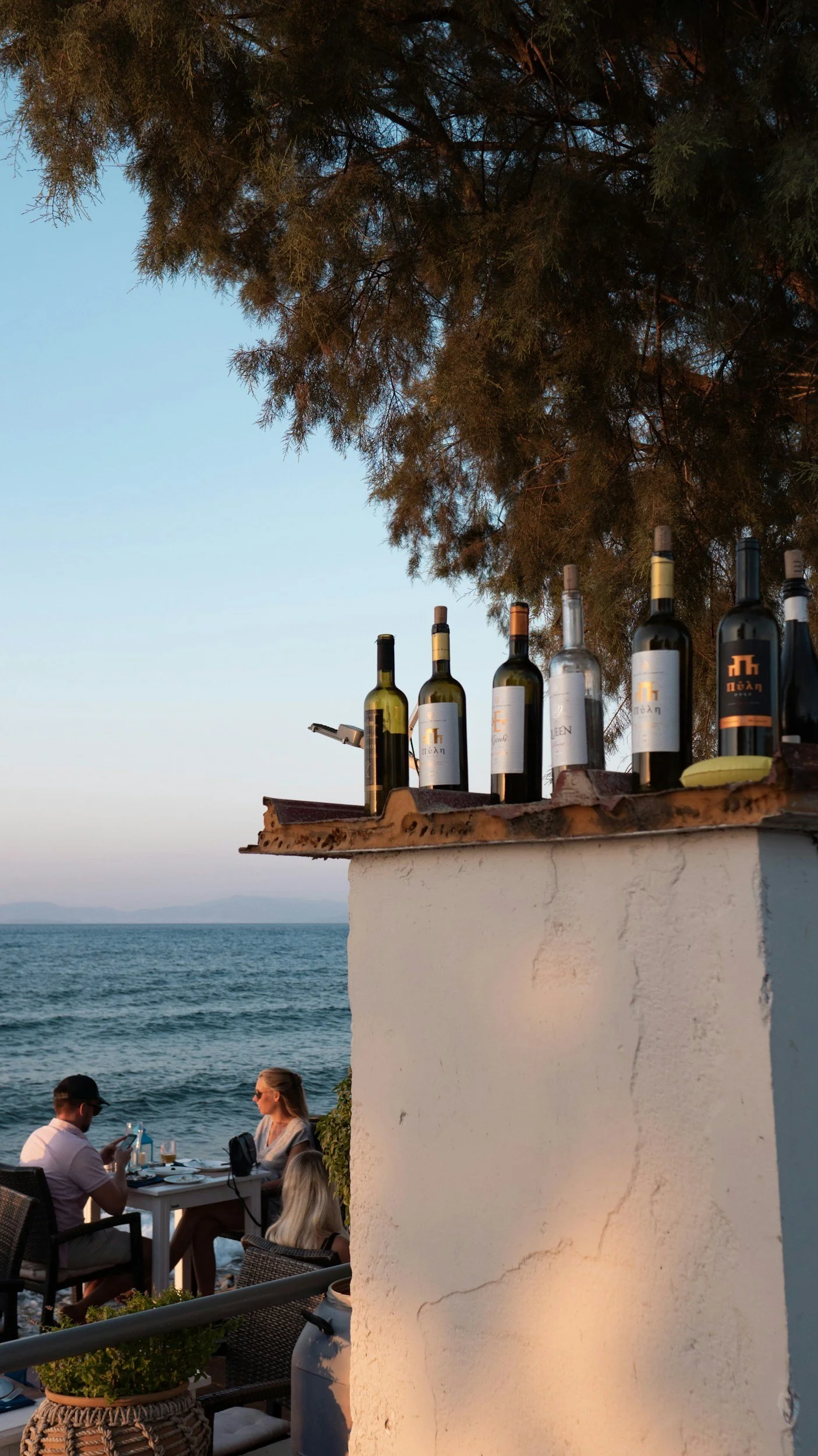
Even in remote mountain villages, tavernas serve excellent local house wine from nearby vineyards. Often unlabelled, sometimes poured from large glass bottles, it can be unexpectedly refined — fresh, balanced and perfectly suited to the food and climate.
In this sense, Cretan wine is not absent from the global market because it lacks quality. It is simply deeply rooted in local culture.
You don’t “discover” it in a supermarket abroad.
You encounter it at a long table in a village square.
And that is part of its charm.
Why Cretan Wine Is Different
Crete is not mainland Greece.
The island has:
• Intense sun
• Cooling mountain winds
• High-altitude vineyards
• Limestone and volcanic soils
These conditions create wines with:
• Natural freshness despite heat
• Distinct minerality
• Lower intervention necessity
• Strong identity
It’s not trying to be French.
It’s not trying to be Italian.
It tastes of Crete.
If you are exploring different regions of the island during your stay, our guide to villa vacations on the island offers a broader overview of how geography shapes experience across north and south.
Wine Tasting in South Crete
While many of the larger wineries are located near Heraklion and Chania, excellent smaller producers and curated tastings can be arranged even for guests staying in the south.
A private tasting on your villa terrace — paired with local cheeses, olives and seasonal dishes — often feels more personal than a commercial cellar tour.
At STAYS, we can arrange wine tastings, vineyard visits or private chefs who incorporate Cretan wines into a full evening experience.
You can explore villas ideally suited for such evenings in our selection of vacation homes.
A Cultural Revival, Not a Trend
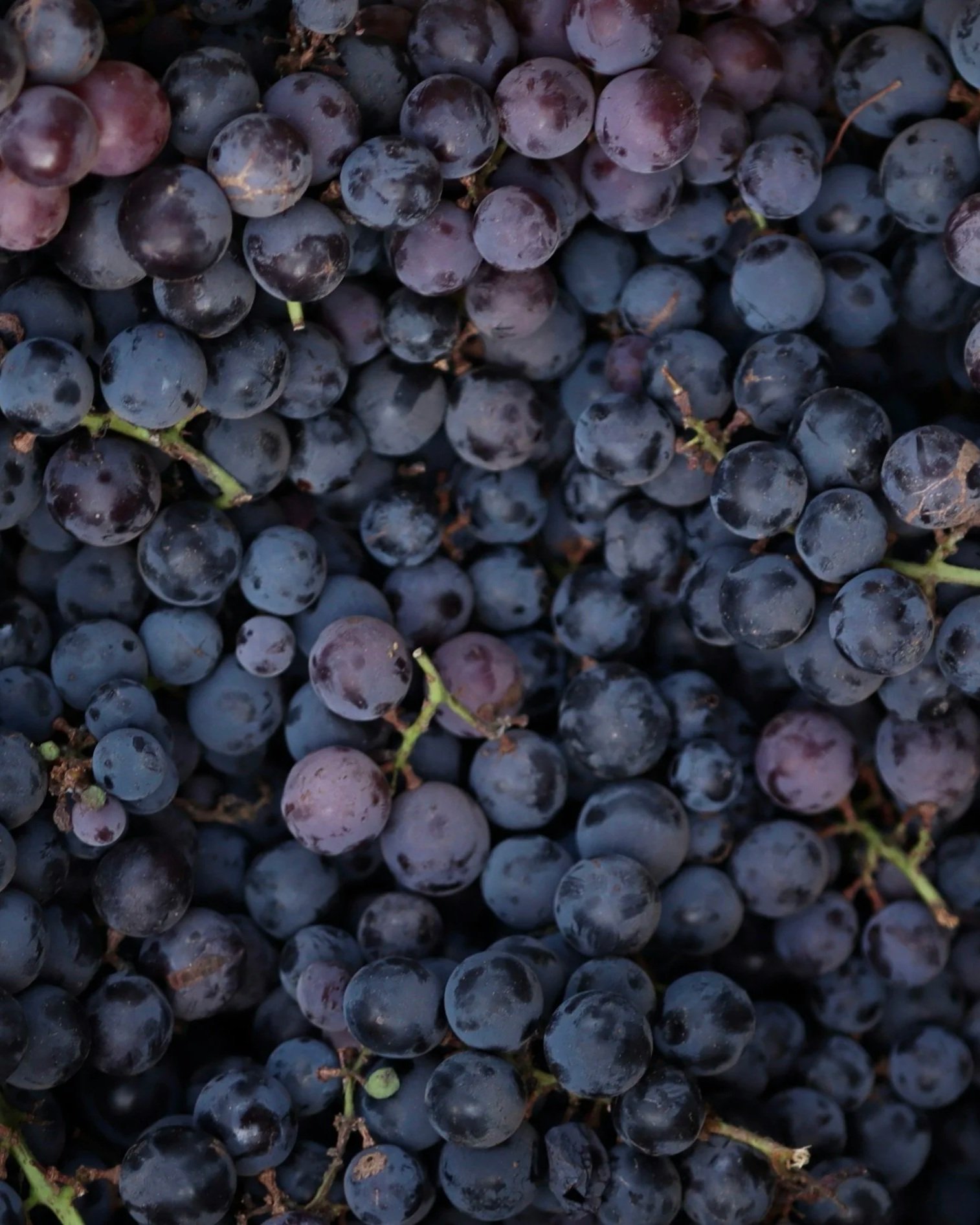
The revival of indigenous Cretan grapes is not a marketing exercise.
It is part of a broader movement on the island:
• Return to local ingredients
• Revival of traditional cultivation
• Emphasis on identity over export trends
Cretan wine today reflects something deeper than flavor — it reflects confidence.
And that confidence mirrors what many visitors experience when they choose the quieter, less commercial southern coast.
When to Experience Cretan Wine
Wine culture in Crete is year-round.
Spring and autumn are particularly beautiful for vineyard visits, when temperatures are mild and the landscape green or golden.
September harvest season offers a glimpse into traditional winemaking practices still alive in village communities.
Even a simple carafe of local wine in a mountain taverna can be unexpectedly memorable.
Final Thought
Cretan wine is no longer the island’s best-kept secret.
But it still feels personal.
It is ancient, yet modern.
Rustic, yet refined.
Sun-driven, yet structured.
For travelers curious about culture beyond beaches, the vineyards of Crete offer another layer of the island — one that rewards slow evenings, long conversations and a second glass poured without rush.
