
How Many Days Do You Need in Crete? A practical guide to planning your time on Greece’s largest island

Crete is an island whose beauty reveals itself quickly, but still needs time to be properly explored.
Stretching nearly 260 kilometres from east to west, it is the largest island in Greece and one of the most diverse landscapes in the Mediterranean. Mountains divide regions, coastlines vary dramatically, and each area has its own rhythm of life.
This is why one of the most common questions travellers ask is simple:
How many days do you need in Crete?
The answer depends less on the island itself than on the way you prefer to travel. Some visitors come for a long weekend, while others spend two weeks and still feel there is more to explore.
Below is a realistic way to think about your time.
3–4 Days in Crete
A short introduction
A short stay works best when you focus on one region of the island.
If you choose South Crete, you can comfortably explore a small but beautiful area of coastline and mountains.
A long weekend could include:
• beaches such as Triopetra or Agios Pavlos
• a walk through Kourtaliotiko Gorge and a visit to Preveli Beach
• villages like Spili or Melambes
• evening meals in small coastal towns such as Plakias or Agia Galini
Rather than trying to see everything, this kind of visit is about enjoying the landscape slowly — beaches, sunset views and local tavernas.
Travellers deciding where to base themselves can explore the different villages and coastal regions in our guide to Where to Stay in South Crete.
5–7 Days in Crete
A balanced island experience
A week allows you to combine relaxation with exploration.
From a base in the south, you can discover several landscapes without spending most of your time driving.
Your week might include:
• multiple beaches along the Libyan Sea
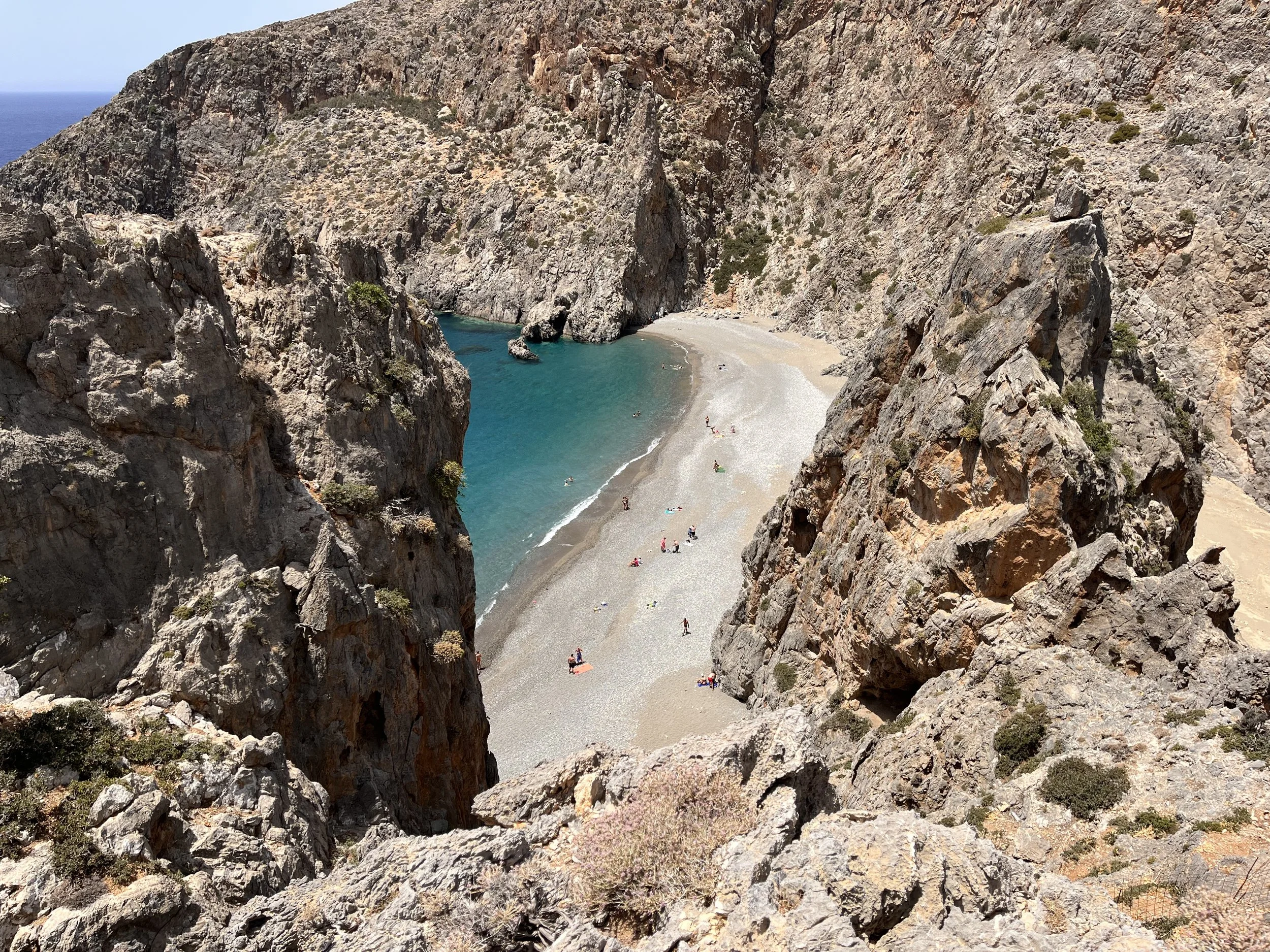
• hiking in Agiofaraggo Gorge or Kourtaliotiko Gorge
• a visit to Matala and the nearby Minoan palace of Phaistos
• day trips north to the historic town of Rethymno
• special experiences such as a boat or catamaran trip, horseback riding, stargazing and more
If you are planning exactly this kind of stay, our article A Week in South Crete: A Tailor-Made Holiday Designed Around You provides a more detailed day-by-day itinerary for exploring the region.
For many travellers, one week is the perfect balance — enough time to explore while still enjoying long afternoons by the sea.
10 Days in Crete
Exploring beyond one region
With ten days, Crete begins to reveal its full variety.
You can combine time in the south with excursions to some of the island’s most famous places.
Possible additions include:
• hiking the legendary Samaria Gorge, one of Europe’s longest gorges
• visiting the Botanical Park and Gardens of Crete near Chania
• exploring the historic Venetian harbour of Chania
• swimming at the famous lagoon of Elafonissi
These trips involve longer drives but show very different landscapes — from mountain forests to pink-tinted beaches.
Two Weeks in Crete
The island in full
With two weeks, you can explore Crete in depth and at a relaxed pace.
In addition to the places above, longer stays might include:
• the Palace of Knossos and the Heraklion Archaeological Museum, home to extraordinary Minoan treasures
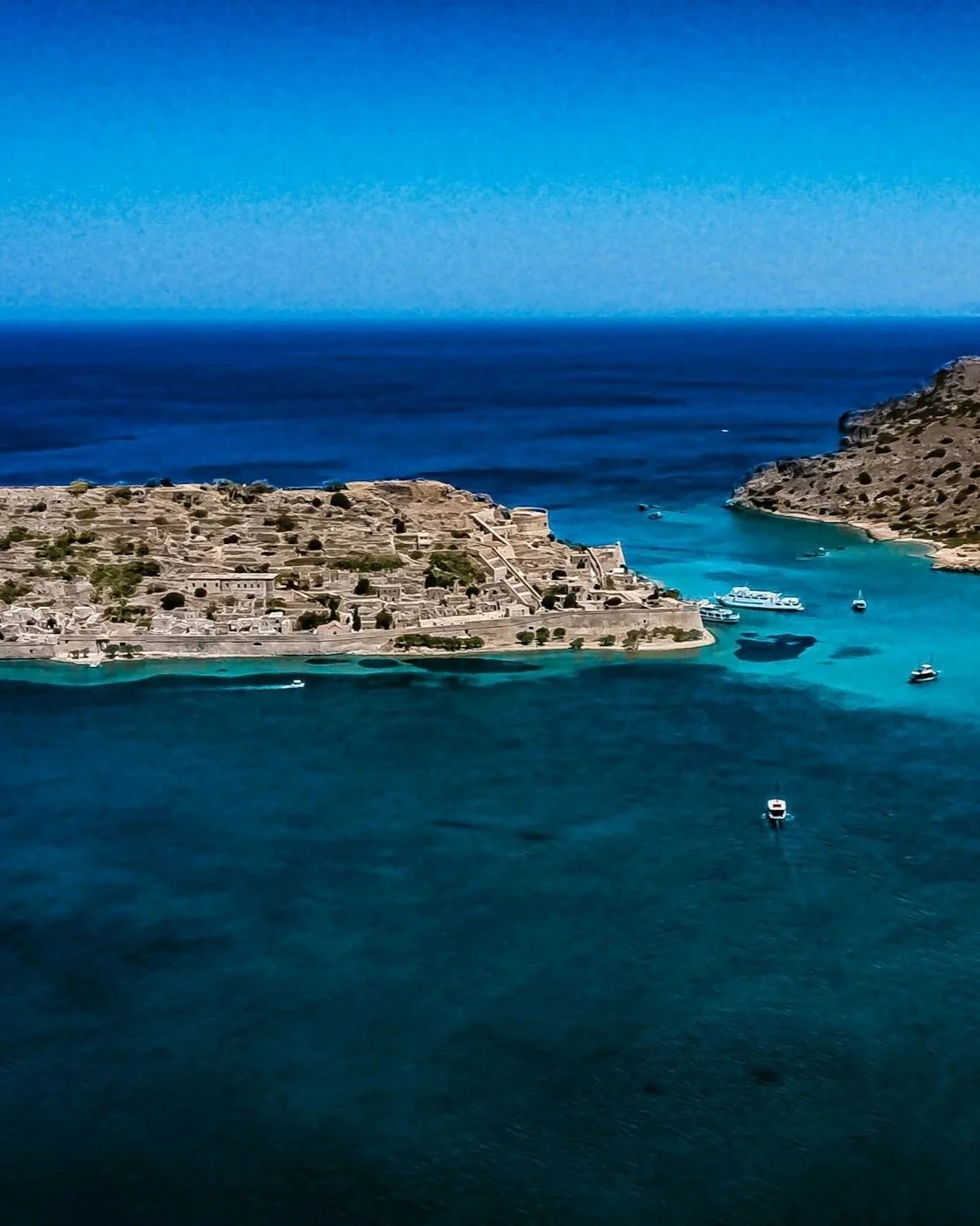
• the island fortress of Spinalonga, once used as a leper colony in the early twentieth century
• the Dikteon Cave in the Lasithi Plateau, traditionally believed to be the birthplace of Zeus
• the Ideon Cave on Mount Psiloritis, the other site believed to be the birthplace of Zeus.
These journeys reveal the many layers of Crete — ancient history, myth, landscape and village life.
The Experience Changes with the Season
The island also feels very different depending on when you visit.
Spring brings:
• wildflowers and orchids
• green hillsides
• ideal hiking weather
Summer offers:
• warm sea temperatures
• long evenings and beach life
• village festivals and celebrations
Autumn is known for:
• warm sea and fewer visitors
• grape harvest and wine season
Winter reveals another side of Crete entirely, with snow on the mountains and a quieter rhythm of life.
Local celebrations and seasonal traditions also shape the travel experience. If you are interested in these events, our guide to festivals in Crete explores the many celebrations that take place across the island throughout the year.
The Advantage of Staying in One Place
Because Crete is large, many experienced travellers recommend choosing one region and exploring it well rather than trying to see the entire island. You can always come back for more.
South Crete is particularly well suited to this approach. Beaches, mountains, gorges and villages lie close together, allowing visitors to explore a remarkable variety of landscapes within short distances.
For travellers who prefer space, privacy and flexibility, staying in a villa can be an ideal way to experience the island. Our STAYS Home Collection includes carefully selected houses across South Crete, allowing guests to explore the region at their own pace.
Those interested in this style of travel can learn more in our guide to vacation villas in Crete.
So, How Many Days Are Enough?
Crete rewards time.
A few days can offer a beautiful introduction.
A week allows real exploration.
Ten days or two weeks reveal the island’s remarkable diversity.
But the most memorable moments rarely come from rushing between destinations.
They happen while sitting in a village square, walking a quiet beach at sunset, or discovering a landscape you hadn’t planned to find.
On Crete, the best answer to the question “How many days?” is often simple:
As many as you can spare.
