
What to Read On Your Crete Holiday: A small literary guide to the island
Travel to Crete often begins long before the plane lands. Many visitors first encounter the island through books — through stories of mythology, wartime resistance, village life, and the powerful landscapes that shape Cretan identity.
Reading about Crete before visiting helps you understand the island beyond its beaches. The mountains, the small villages, the traditions of hospitality — all of these become richer when you know the stories behind them.
If you are planning a trip to southern Crete, here are a few books worth reading before you arrive.
If you are still planning your route around the island, our guide on Where to Stay in South Crete breaks down the different regions and village atmospheres.
The Island — Victoria Hislop
The Island by Victoria Hislop became one of the most widely read novels set in Crete.
The story centres on Spinalonga, a small island off the coast of eastern Crete that served as a leper colony for decades. Through several generations of a Cretan family, the novel explores love, loss, and the strong bonds within island communities.
Although the story takes place in eastern Crete, it beautifully captures something universal about the island: the deep attachment between people, family, and place.
Visitors often say that after reading the book, they see Crete differently — not just as a holiday destination, but as a place with a powerful human history.
Zorba the Greek — Nikos Kazantzakis
Few books capture the spirit of Crete better than Zorba the Greek by Nikos Kazantzakis.
The novel tells the story of a quiet intellectual who travels to Crete and forms an unlikely friendship with Alexis Zorba — a charismatic, impulsive man who embraces life with extraordinary energy.
Zorba’s philosophy of living fully in the moment has become symbolic of the Cretan spirit: independent, passionate, and deeply connected to the land.
Kazantzakis himself was born in Heraklion and remains Crete’s most famous writer. While in Crete, don’t miss visiting the Nikos Kazantzakis Museum in Heraklion.
The Cretan Runner — George Psychoundakis
For readers interested in history, The Cretan Runner by George Psychoundakis is a remarkable memoir.
Psychoundakis served as a messenger for the Cretan resistance during the Second World War, carrying messages across the mountains while the island was under German occupation.
His journeys took him across some of the same landscapes visitors explore today — rugged mountain paths, remote villages, and hidden valleys.
If you plan to explore the island on foot, especially along parts of the E4 hiking trail, this book offers a powerful historical perspective on those landscapes.
Mythos — Stephen Fry
Crete is also central to Greek mythology.
In Mythos, Stephen Fry retells the classic Greek myths in an engaging and accessible way.
Several of the most famous stories are connected to Crete:
the labyrinth of King Minos
the Minotaur
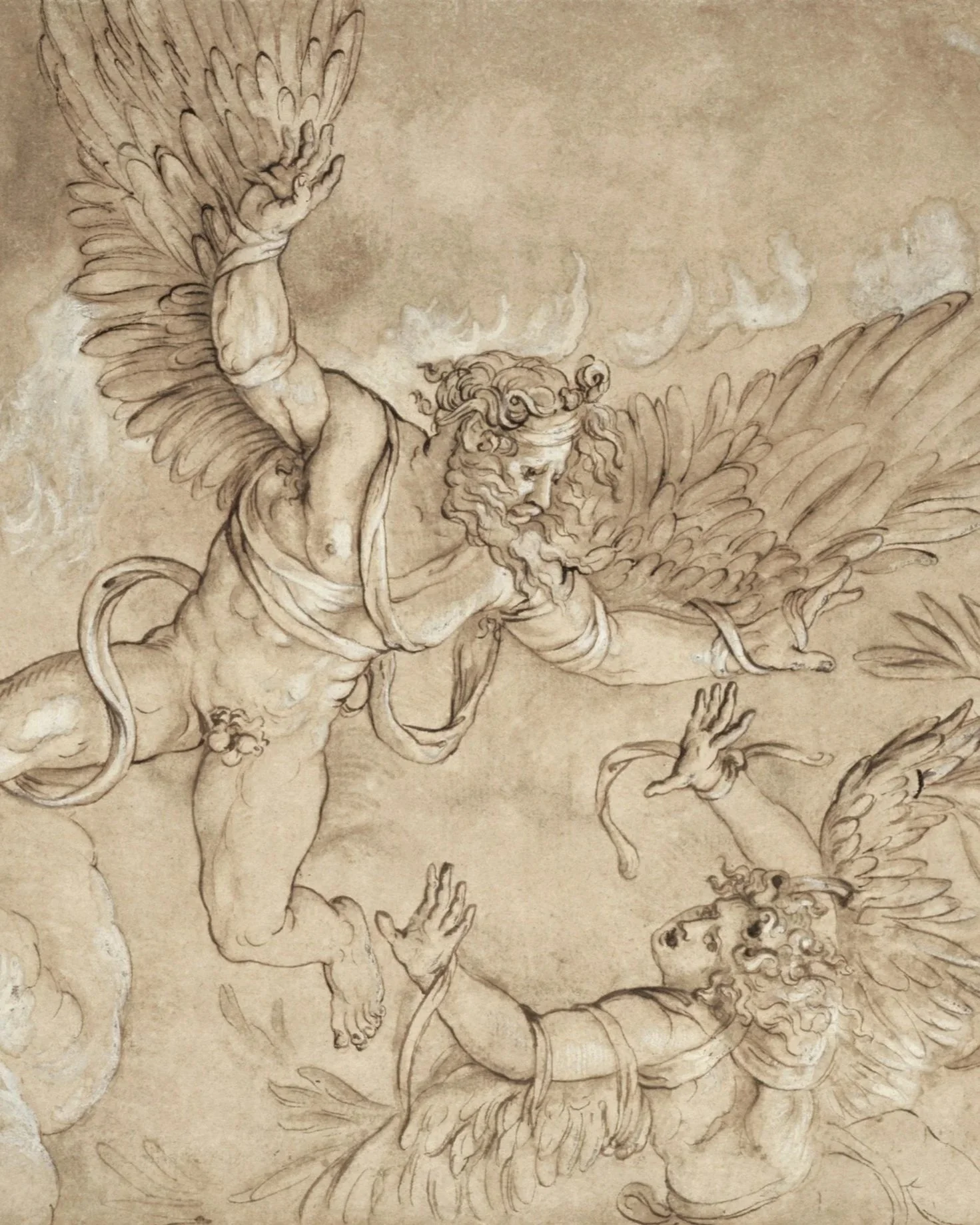
Daedalus and Icarus
the birthplace of Zeus in a cave on the island
Reading these myths before travelling makes archaeological sites, caves, and ancient ruins across Crete even more fascinating.
Der Kretische Gast — Klaus Modick (only in German)
Der kretische Gast by Klaus Modick is a powerful historical novel set on Crete during the German occupation in the Second World War.
The story begins in 1943, when the German archaeologist Johann Martens is sent to Crete by the Wehrmacht to catalogue the island’s cultural treasures as potential loot for Hitler’s planned Germanic Museum.
Martens is assigned a local driver and guide, Andreas. As he spends more time on the island, he becomes increasingly drawn to Cretan life and to Andreas’ daughter Eleni. But when German forces plan a raid against local resistance fighters, Martens is forced to confront a moral decision about where he stands.
Modick’s novel is both a dramatic wartime story and a reflection on responsibility, loyalty and the complex relationships between occupiers and locals.
For German readers travelling to Crete, the book offers a powerful reminder that many of the peaceful villages and landscapes visitors explore today were once the stage for difficult and courageous choices.
Reading Crete While You Travel
Crete is an island that rewards slow exploration.
A novel read beside the sea, a chapter finished in the shade of an olive tree, or a few pages during a long dinner in a village taverna can become part of the travel experience itself.
Books like these add depth to the landscapes you see — the mountains, villages, and coastline suddenly carry stories.
If you are looking for ideas on where to explore during your trip, you might also enjoy reading our guides to:
These routes and landscapes appear again and again in the stories that have shaped the island’s cultural imagination.
Stay in South Crete
If these books inspire you to explore the island yourself, the southern coast of Crete offers some of its most authentic landscapes.
From the harbour town of Agia Galini to the wild beaches of Triopetra and the dramatic coastline near Agios Pavlos, this part of the island remains quieter and less developed than the north.
Explore our STAYS Home Collection to discover carefully selected holiday homes across southern Crete.
