
Local Customs in Crete: What Visitors Should Know Before They Arrive
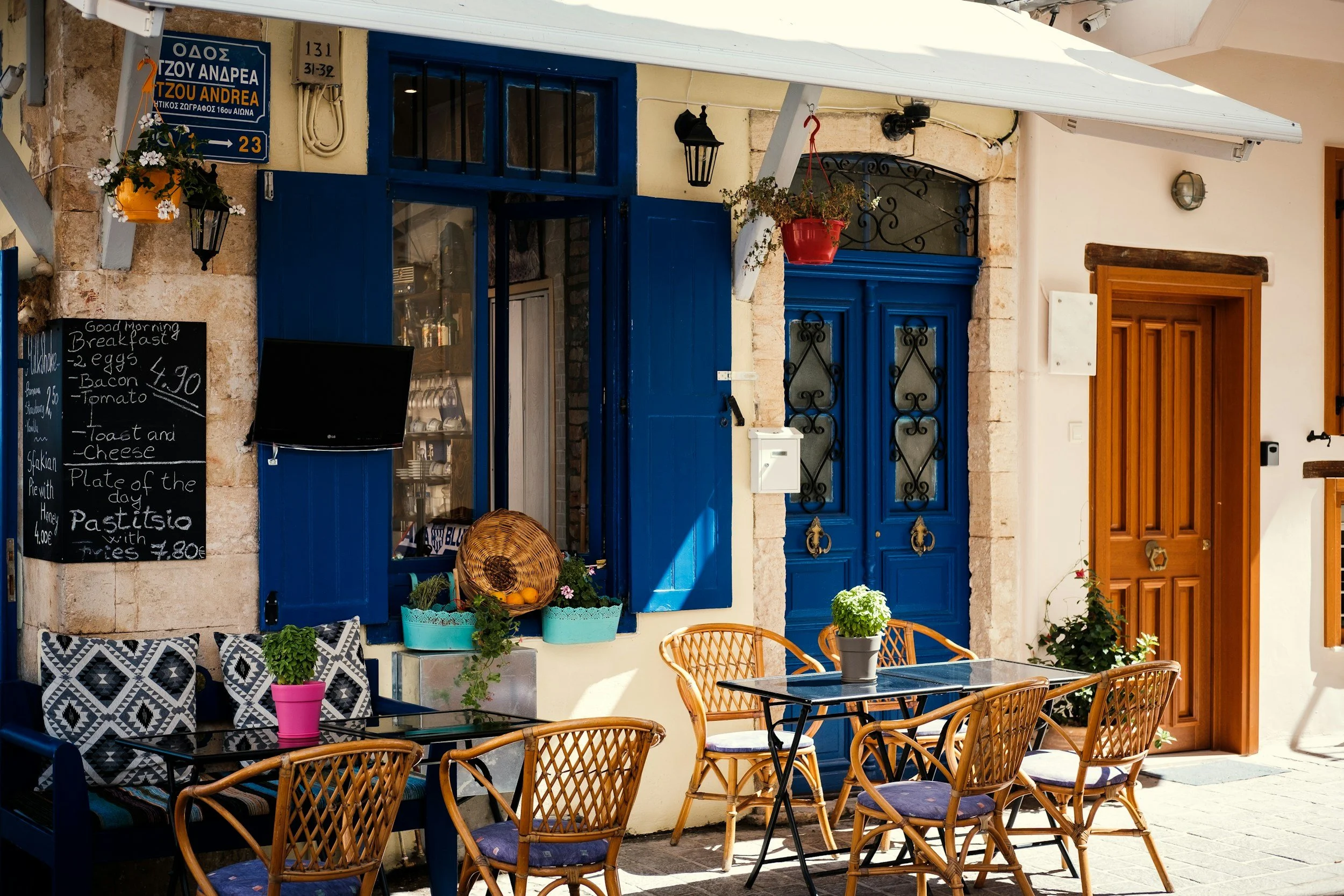
Crete is not just a destination — it’s a culture.
Understanding a few local customs will not only help you avoid awkward moments, but will deepen your experience and often open unexpected doors.
Because in Crete, a holiday is not only about where to stay. It’s about how deeply you engage with the island’s rhythm.
Here’s what to know before you visit.
ISLAND TIME IS REAL
Punctuality in Crete is… flexible.
For social gatherings, arriving 10–20 minutes late is completely normal. Even in professional settings, timing can be relaxed compared to Northern Europe.
Patience is part of the rhythm here.
Things usually get done — just not always in a rush.
GREETING LOCALS
A simple:
“Kalimera” (Good morning)
“Kalispera” (Good evening, said after 12:00)
goes a long way.
Handshakes are common in first meetings. Among friends, two light kisses on the cheeks are normal.
Even attempting a few Greek words is appreciated and often rewarded with a smile.
Guests staying in one of our vacation rental homes often find that these small gestures — greeting the baker, chatting with a neighbour, lingering at the taverna — become the most memorable parts of their stay.
SHARING IS CARING
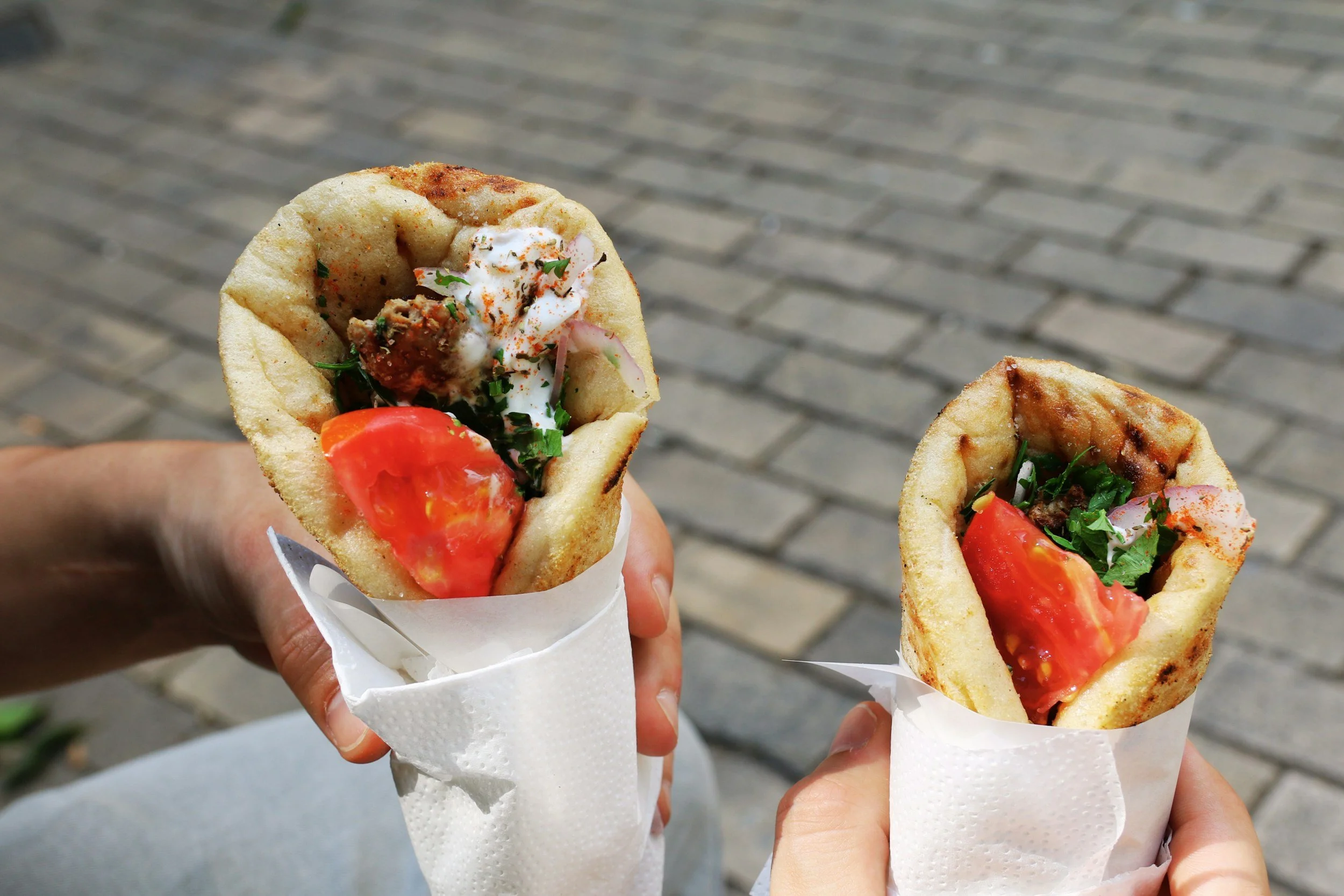
Cretan meals are rarely individual.
Dishes are placed in the center of the table and shared. Expect variety rather than personal plates.
If you’re dining with locals, don’t be surprised if food keeps appearing.
Generosity is a point of pride.
THE ART OF MEZE
Before the main course, it’s common to order — or be served — meze: small plates of olives, cheese, dakos, dips and seasonal specialties.
This is not a starter in the usual sense.
It’s a social phase. You relax. You talk. You sip raki. You slow down.
DON’T RUSH YOUR MEAL
Meals in Crete are events.
They can last hours.
No one will bring the bill unless you ask. There is no pressure to “free the table.”
Leisure is not laziness — it’s lifestyle.
FINISH YOUR PLATE, BUT…
Finishing your plate is a compliment.
But if you clear it too quickly, your host may assume you’re still hungry and insist on more.
Moderation can be strategic.
COMPLIMENTARY TREATS
At the end of a meal, expect:
A small dessert
Fresh fruit
Or a shot of raki
This is typically complimentary.
Refusing without reason can seem dismissive — even a small sip is appreciated.
THE “HIDDEN” COVER CHARGE
In many tavernas, bread, water and sometimes small appetizers arrive automatically.
These may appear as a small charge on the bill.
It’s normal and not a scam — just part of local restaurant practice.

TIPPING
Tipping in Crete is appreciated but not mandatory.
Rounding up the bill is common.
Around 10% is generous.
In casual tavernas, locals often just leave the change.
UNEXPECTED GENEROSITY
Cretan hospitality — philoxenia — is real.
It’s not unusual for:
A restaurant owner to send drinks
A neighboring table to offer a round
A local to insist you try something
Don’t ask why.
Accept it with gratitude.
If another guest treats you, take note of what they’re drinking — and consider returning the gesture.
SUNDAY IS FAMILY DAY
Sunday lunch is sacred.
Shops may close. Families gather. Meals stretch long into the afternoon.
If you’re invited, you’ve been truly welcomed.
HONKING ISN’T AN INSULT
On rural roads, a short honk can simply mean:
“I’m here.”
It’s often practical rather than aggressive.
RESPECT FOR TRADITION
Crete is modern — but also deeply traditional.
Church festivals, village events and national holidays matter.
Modest dress is appreciated when visiting monasteries or churches.
Final Thought
Crete rewards openness.
A few Greek words.
A little patience.
A willingness to share.
And the understanding that generosity here is not performance — it’s identity.
When you embrace the local customs, you stop feeling like a visitor.
And start feeling welcomed.
