
Swimming in Crete: What Visitors Should Know
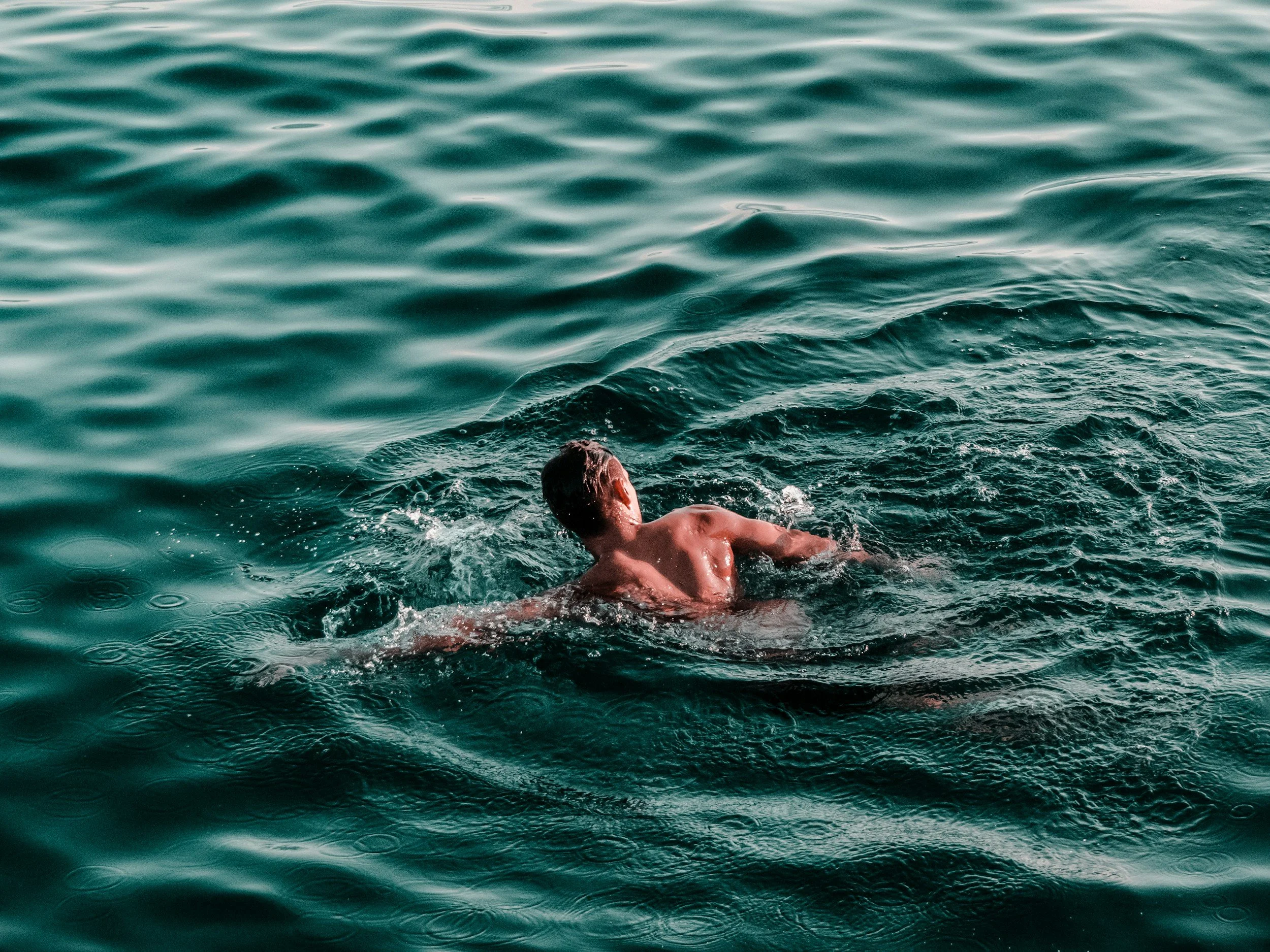
For many visitors, the first swim in the Mediterranean becomes one of the most memorable moments of a trip to Crete.
The island’s waters are famously clear, often warm well into autumn, and surrounded by dramatic landscapes. Especially along the southern coast, the Libyan Sea often feels calm, with long horizons and transparent water.
Millions of travelers swim around Crete every year, and the island is widely considered one of the safest places in the Mediterranean for swimming.
Still, as in any natural environment, it helps to understand a few basic conditions.
Is Swimming Safe in Crete?
Yes. Swimming around Crete is generally very safe, and millions of visitors enjoy the island’s beaches every year. The Mediterranean waters around the island are calm for much of the summer, and most beaches offer excellent swimming conditions. As with any natural coastline, it is simply wise to pay attention to wind, waves, and rocky areas when entering the water.
Understanding the Libyan Sea
Many of the beaches in South Crete face the Libyan Sea, the southern part of the Mediterranean between Crete and North Africa.
These waters are known for their:
• exceptional clarity
• deep blue color
• relatively warm temperatures
Because the coastline is open, waves can sometimes build when winds increase. On calm days the sea can look almost like glass, while windy days may bring stronger surf.
Local beachgoers usually judge conditions quickly — if the sea looks rough, it is simply a good day to enjoy the beach and wait for calmer water later.
Waves and Currents
Most beaches in Crete are generally safe for swimming, but waves can occasionally create strong currents near rocky shores or narrow bays.
A few simple rules help avoid problems:
• avoid swimming alone in rough seas
• stay within comfortable distance of shore
• avoid jumping into unknown water depths near rocks
• always observe warning flags when lifeguards are present
In many remote beaches of South Crete there are no lifeguards, which makes personal awareness even more important.
Marine Life in Crete
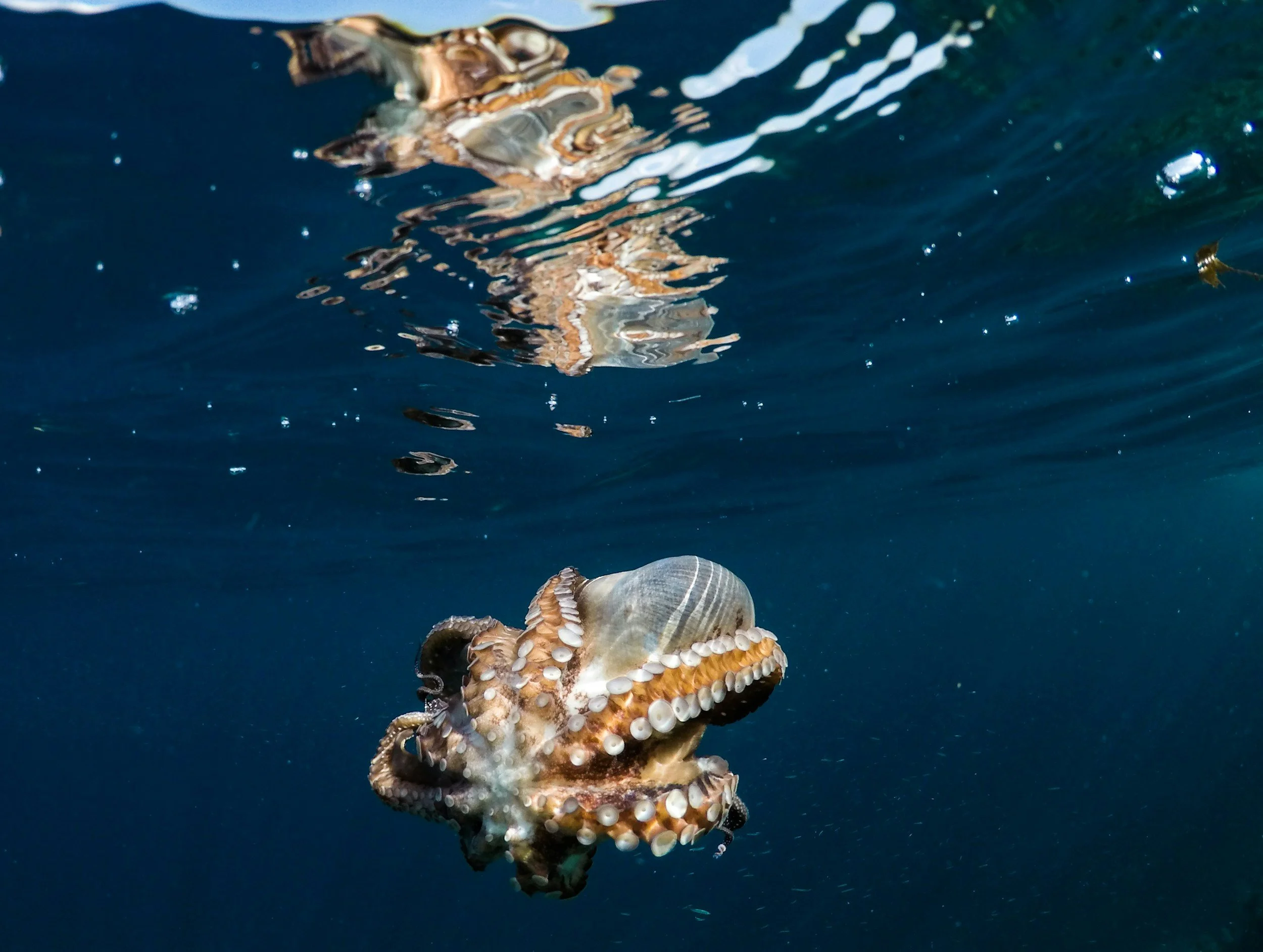
The Mediterranean around Crete contains a fascinating variety of marine life. Snorkelers often encounter fish such as:
• sea bream
• groupers
• octopus
• sea turtles
• barracuda
• tuna
Some visitors also notice sea urchins, small round creatures that live among rocks in very clear water. They are a natural part of Mediterranean ecosystems and easy to avoid by wearing swim shoes or stepping carefully in rocky areas.
In recent years a few lionfish, a tropical species with distinctive spines, have also appeared in parts of the Mediterranean as warmer waters allow new species to migrate north. Encounters remain rare and swimmers simply avoid touching marine life.
To learn more about wildlife in Crete, including marine life, read our journal entry about animal species you’ll encounter in Crete.
What About Sharks?
Visitors occasionally ask about sharks in Crete.
While several species exist in the wider Mediterranean, shark encounters around Crete are extremely rare, and there has been no pattern of incidents affecting swimmers.
The island’s beaches welcome millions of visitors every year, and sharks are generally considered not a concern for swimmers in Greek waters.
Choosing Comfortable Beaches
Crete offers hundreds of beaches, and conditions vary depending on the landscape.
Some of the most pleasant swimming spots in South Crete include wide sandy bays and sheltered coves where the sea remains calm for much of the summer.
Among the most popular are:
• Triopetra Beach, known for its wide open coastline
• Aniforas, a beautiful cove with crystal clear water
• Agios Pavlos, a sheltered beach below the village
You can discover more locations in our guide to The Best Beaches in South Crete.

Can You Snorkel and Dive in Crete?
Yes. The exceptionally clear waters of the Libyan Sea make South Crete an excellent place for snorkeling and diving.
Even close to the shore, swimmers often see schools of fish moving between rocks, while deeper waters reveal dramatic underwater landscapes shaped by volcanic geology and centuries of erosion.
Popular snorkeling spots can be found along many beaches in the region, especially around rocky coves like Agios Pavlos where marine life gathers in the clear water.
For visitors interested in exploring further, guided snorkeling excursions and diving trips are available with experienced local instructors. Beginners can take introductory dives, while certified divers can explore deeper reefs and underwater formations along the southern coast.
Through our STAYS experiences, we can also help arrange snorkeling outings or diving sessions with trusted local partners — whether you want to try diving for the first time or simply discover the underwater world of Crete at a relaxed pace.
A Sea to Enjoy
What surprises many visitors about Crete is how natural and untouched much of the coastline remains. Beaches appear suddenly between mountains, and quiet coves can still be reached by footpaths or small roads.
The sea around the island is part of that landscape — beautiful, clear, and deeply connected to everyday life on Crete.
With a little awareness of wind, rocks, and marine life, swimming here becomes one of the most relaxing and memorable experiences of a trip.
Many travelers choose to stay in South Crete precisely because of its balance of wild nature and peaceful beaches.
If you are planning your visit, you can explore our Home Collection in South Crete, where many homes are located close to some of the island’s most beautiful swimming spots.
